Does Homeowners Insurance Cover a College Student's Belongings?

In my experience helping policyholders navigate claims, off-premises personal property coverage is the most underused benefit in homeowners insurance. People simply do not know it exists, and they absorb losses that their policy would have covered.
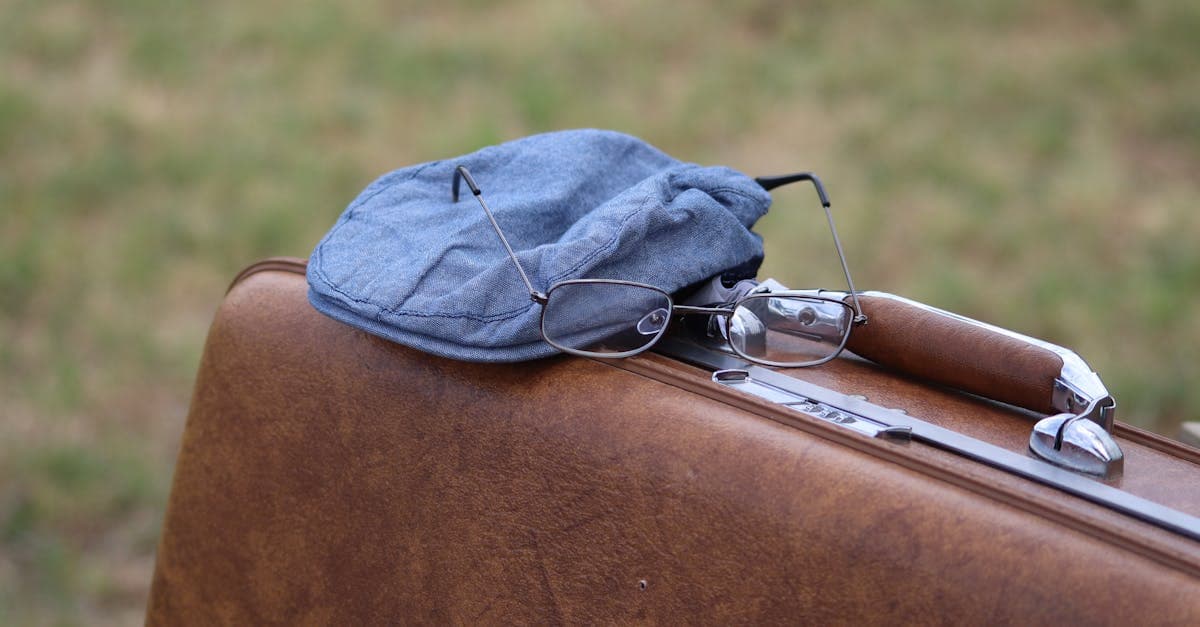
The most common conversation I have about this coverage starts after a theft. Someone's laptop is stolen from their car, a suitcase goes missing during a trip, or a bicycle is taken from a rack outside a coffee shop. They call their auto insurance first and are told personal items are not covered. They assume they have no recourse and prepare to absorb the loss out of pocket.
When I tell them their homeowners insurance likely covers the stolen items, the reaction is almost always surprise. They had no idea their policy extended beyond their home. Once they understand the coverage exists, the next questions come quickly: what is the limit, does my deductible apply, will it raise my rates, and what do I need to prove?
These are exactly the right questions, and this guide answers all of them. Off-premises personal property coverage is a genuine benefit that every homeowner pays for as part of their standard premium. Understanding how it works, what it covers, and how to file a successful claim ensures you get the full value of the protection you are already paying for.
Work-Related Items Outside the Home
Our investigation revealed something surprising. The rise of remote work and hybrid schedules means more people regularly transport work equipment between their homes, offices, co-working spaces, and other locations. Understanding how your homeowners policy covers work items outside the home prevents gaps in protection.
Personal items at the workplace: Your personal belongings at your workplace — a purse, personal phone, jacket, or personal laptop — are covered under off-premises provisions just like belongings anywhere else outside your home. If someone steals your personal items from your desk or locker, your homeowners policy covers the loss.
Business property limitations: Standard homeowners policies limit coverage for business property to approximately $2,500 at home and $500 away from home. If your employer-issued laptop, company phone, or business tools are stolen while you are working remotely at a coffee shop, the $500 business property limit may apply instead of the full off-premises limit. This is an important distinction for remote workers.
Who is responsible for work equipment: In most cases, your employer is responsible for insuring company-owned equipment regardless of where it is used. If you are working from home or a remote location and your employer's laptop is stolen, the loss should be covered by the company's commercial property insurance, not your homeowners policy.
Self-employed and freelance considerations: Self-employed individuals who use personal equipment for business face unique challenges. Standard homeowners policies may apply business property sublimits to equipment used for income-generating activities. A home business endorsement or business owners policy may be necessary to ensure adequate coverage.
Documenting work equipment: Maintain a clear inventory of which items are personally owned and which belong to your employer. This distinction matters during claims and prevents disputes about coverage responsibility. Photograph your home office setup and any equipment you regularly transport for work.
Covered Perils for Off-Premises Personal Property
The records show a different story. Understanding which perils trigger off-premises coverage is essential for knowing when you have a valid claim. Under a standard HO-3 policy, personal property — both at home and away — is covered on a named-peril basis, meaning only specific listed events qualify.
Theft: Theft is the most common off-premises peril and covers belongings stolen from your car, hotel room, workplace, storage unit, or any other location. Burglary, larceny, and robbery are all covered. You will typically need a police report to support a theft claim, especially for away-from-home losses.
Fire and lightning: If a fire at a hotel, office building, or other location destroys your personal belongings, your homeowners policy covers the loss under off-premises provisions. Lightning strikes that damage electronics or other items away from home are similarly covered.
Windstorm and hail: Belongings damaged by severe weather outside your home are covered. Camping gear destroyed by a windstorm or outdoor equipment damaged by hail qualifies for off-premises claims.
Vandalism: Intentional damage to your belongings by others is covered away from home, just as it is at home. If someone deliberately damages your bicycle locked outside a store or keys your belongings at an event, the vandalism peril applies.
Explosion, riot, and civil commotion: Less common but still relevant, these perils protect belongings damaged during extraordinary events away from home. Riots, explosions from gas leaks or industrial accidents, and civil unrest that damages your property trigger coverage regardless of location.
Filing an Off-Premises Personal Property Claim
Our investigation revealed something surprising. The claims process for off-premises losses follows the same general framework as at-home claims but requires additional attention to documentation because you are proving a loss that occurred outside your controlled environment.
Step one — secure the scene and document: If you discover theft or damage, take photographs immediately. Capture the scene, any evidence of forced entry, and the condition of the area. If items were stolen from a vehicle, photograph the broken window or jimmied lock. If belongings were damaged at a hotel, photograph the room and the damaged items.
Step two — file a police report: For theft claims, a police report is almost always required. File the report as soon as possible at the local jurisdiction where the theft occurred. Obtain a copy of the report or at minimum the report number, as your insurer will request this documentation. For international thefts, file reports with local police and notify the nearest embassy or consulate.
Step three — contact your homeowners insurer: Report the loss to your homeowners insurance company — not your auto insurer if items were stolen from a car. Provide the police report number, your documentation of the loss, and a list of stolen or damaged items with estimated values.
Step four — prove ownership and value: This is often the most challenging part of off-premises claims. Receipts, credit card statements, photographs showing you with the items, serial number records, and warranty registration documents all help prove you owned the items and establish their value. The more documentation you provide, the stronger your claim.
Step five — understand payout calculations: Your insurer will apply your deductible, any applicable sublimits, and the off-premises coverage limit to calculate your payout. If your policy provides replacement cost coverage, you may receive the depreciated value initially and the remainder after you replace the items. Actual cash value policies pay only the depreciated amount.
Personal Property Stolen From Your Vehicle
Our investigation revealed something surprising. One of the most important things to understand about insurance is that items stolen from your car are covered by homeowners insurance, not auto insurance. Your auto policy covers the vehicle itself — the body, engine, glass, and factory-installed components. Personal belongings inside the vehicle fall under your homeowners or renters policy.
Common car theft claims: Laptops stolen from a back seat, purses taken from a parked vehicle, golf clubs removed from a trunk, and tools stolen from a truck bed are all homeowners insurance claims. These losses often occur in parking lots, driveways, and street parking where vehicles are accessible to thieves.
Visible property considerations: Many policies include provisions about visible property in vehicles. Some insurers may scrutinize claims for items left in plain view because the policyholder arguably contributed to the loss by not concealing valuables. While this does not typically void coverage, it can complicate the claims process.
Forced entry requirements: Some homeowners policies require evidence of forced entry for vehicle theft claims — meaning the thief must have broken a window, picked a lock, or otherwise overcome a physical barrier. If you left your car unlocked and items were stolen, coverage may be denied depending on your policy language. Always lock your vehicle and document the condition of windows and doors after discovering a theft.
Documentation essentials: Photograph the damage to your vehicle showing forced entry. File a police report immediately. List every stolen item with descriptions, approximate values, and serial numbers if available. Contact your homeowners insurance — not your auto insurer — to initiate the claim.
Understanding Sublimits on Off-Premises Property
The records show a different story. Sublimits are caps within your overall personal property coverage that restrict how much the insurer will pay for specific categories of items. These sublimits apply to off-premises losses just as they apply at home, and they can significantly reduce your actual payout.
Common sublimit categories: Most homeowners policies impose sublimits on jewelry and watches ($1,500 to $2,500), cash and bank notes ($200), securities and documents ($1,500), silverware and goldware ($2,500), firearms ($2,500), business property at home ($2,500), and electronics used for business purposes ($1,000 to $2,500). These amounts vary by insurer and policy form.
How sublimits interact with off-premises limits: Sublimits and off-premises limits operate independently, and the lower of the two applies. If your off-premises limit is $10,000 but your jewelry sublimit is $1,500, a jewelry theft away from home is capped at $1,500 regardless of the overall off-premises limit. The sublimit controls because it is the more restrictive limitation.
Identifying your sublimits: Your sublimits are listed in the conditions section of your personal property coverage or in a schedule of limitations. Review your policy or declarations page to identify every category sublimit. Many policyholders are unaware of these restrictions until they file a claim and discover their payout is capped below their loss.
Removing sublimits with endorsements: Scheduled personal property endorsements eliminate sublimits for listed items. By scheduling your engagement ring, for example, you remove the jewelry sublimit for that specific item and replace it with the scheduled coverage amount based on your appraisal. This endorsement provides broader coverage including accidental loss in most cases.
Strategic response to sublimits: Evaluate your portable belongings against your policy's sublimit categories. If you regularly travel with items whose value exceeds the applicable sublimit, scheduling those items or increasing the sublimit through an endorsement is a cost-effective way to close the gap. The premium for these endorsements is typically modest relative to the additional protection.
Special Off-Premises Coverage Situations
Our investigation revealed something surprising. Certain scenarios create unique off-premises coverage questions that standard rules do not fully address. Understanding these special situations helps you navigate less common but potentially significant coverage questions.
Items lent to others: Belongings you lend to friends or family members generally remain your covered personal property under your homeowners policy. If a friend borrows your camera and it is stolen from their car, your homeowners off-premises coverage typically applies. However, some policies require that the property be in the care of a household member for off-premises coverage to apply, so check your specific policy language.
Belongings during a move: Items in transit during a residential move present a coverage gray area. Your current homeowners policy covers belongings at the old address, and your new policy covers the new address. But items in a moving truck between the two are technically off-premises. Most policies cover this transitional period, but coordinating coverage between old and new policies ensures no gaps exist.
Property at a second residence: If you own a vacation home or second property, belongings there may fall under your primary homeowners policy's off-premises provisions. However, if the second property has its own homeowners or vacation home policy, that policy's personal property coverage takes precedence. Clarify with your agent which policy covers belongings at each location.
Divorce and separation: When couples separate, personal property that one spouse removes from the shared home becomes off-premises property. Coverage questions during separation depend on who is named as an insured on the policy and where the property is located. Consulting your agent during this transition protects both parties' belongings.
Extended travel and snowbirds: Policyholders who spend months away from home — snowbirds, extended travelers, and temporary relocatees — push the boundaries of what constitutes off-premises versus a change of primary residence. Most policies accommodate seasonal absence, but notify your insurer if you plan to be away for more than 60 to 90 days to ensure uninterrupted coverage.
Off-Premises Coverage During Travel
The records show a different story. Travel exposes your personal property to elevated risks of theft, damage, and loss. Understanding how your homeowners policy protects belongings during trips — both domestic and international — helps you travel with confidence and avoid purchasing unnecessary supplemental coverage.
Hotel and rental property coverage: Your belongings at hotels, motels, vacation rentals, and Airbnb properties are covered under off-premises provisions. If someone breaks into your hotel room and steals electronics and cash, or a fire damages your clothing and luggage, your homeowners insurance provides coverage subject to the off-premises limit and your deductible.
Airline baggage protection: When airlines lose or damage checked luggage, they provide limited reimbursement — federal regulations cap domestic airline liability at approximately $3,800 per passenger. If your luggage contents exceed this amount, your homeowners off-premises coverage can supplement the airline's payment. File with the airline first, then submit a claim for the remaining loss to your homeowners insurer.
Cruise ship and tour coverage: Belongings aboard cruise ships, tour buses, and organized travel excursions are covered personal property away from home. Cabin thefts, excursion losses, and weather-damaged items all qualify for off-premises claims. Document valuables before boarding and use in-cabin safes for high-value items.
International travel considerations: Most homeowners policies extend off-premises coverage worldwide, protecting belongings during international travel. However, filing claims for losses in foreign countries requires additional documentation — local police reports, embassy notifications, and detailed written accounts of the loss. Prepare copies of important documents and inventory lists before international trips.
When travel insurance adds value: Travel insurance covers trip cancellation, medical emergencies, and evacuation — things your homeowners policy does not. For property coverage specifically, travel insurance may be redundant with your homeowners off-premises benefit. Evaluate the property-specific coverage of any travel insurance plan against your existing homeowners protection before purchasing.
Making Off-Premises Coverage Work for Your Life
In my experience, the policyholders who benefit most from off-premises coverage are those who took a few simple steps before any loss occurred. They knew their coverage existed. They documented their portable belongings. And they understood when filing a claim made sense.
The most common regret I hear is not from people who filed claims — it is from people who absorbed losses they did not need to because they did not know their homeowners policy covered belongings outside the home. A $2,000 laptop stolen from a car, a $1,500 bicycle taken from a park rack, a suitcase of clothing lost during travel — these are real losses that real coverage would have addressed.
Your homeowners policy is more valuable than you think. The off-premises coverage built into it protects the items you carry every day, the belongings your children take to school and college, and the property you bring on every trip. That protection is not free — you pay for it with every premium — but it is already there, waiting for you to understand and use it.
Take fifteen minutes this week to review your off-premises coverage, photograph your portable valuables, and note your sublimits. That small investment of time is the difference between recovering your losses and absorbing them.
Continue reading

What Insurance Agents Wish You Knew About Comparing Quotes
Insurance professionals see policyholders make the same comparison mistakes repeatedly. Learning what agents wish consumers understood transforms quote shopping from a price hunt into a value analysis.
Policy Checkup After Getting Married: What Coverage Changes You Need
Marriage affects auto insurance, homeowners coverage, life insurance, and liability protection. Reviewing all your policies after getting married ensures both spouses are properly covered.
AOB Agreements and Your Rights as an Insurance Policyholder
You have the right to accept or refuse an assignment of benefits. Knowing your rights before a contractor asks you to sign helps you maintain control of your insurance claim.