Insurance Insights & Guidance
Coverage Foundations
Establishing the foundational knowledge every policyholder needs to make smart insurance decisions.
What Insurance Agents Wish You Knew About Comparing Quotes

Insurance professionals see policyholders make the same comparison mistakes repeatedly. Learning what agents wish consumers understood transforms quote shopping from a price hunt into a value analysis.

More Stories

Policy Checkup After Getting Married: What Coverage Changes You Need
Marriage affects auto insurance, homeowners coverage, life insurance, and liability protection. Reviewing all your policies after getting married ensures both spouses are properly covered.

AOB Agreements and Your Rights as an Insurance Policyholder
You have the right to accept or refuse an assignment of benefits. Knowing your rights before a contractor asks you to sign helps you maintain control of your insurance claim.

How to Speed Up Your Insurance Claim Without Cutting Corners
Proactive communication, thorough documentation, and strategic follow-up can shave weeks off your claim timeline while ensuring you receive every dollar you are owed.

Should You File That Insurance Claim? How to Decide
Not every loss warrants a claim. Understanding when filing makes financial sense and when it does not helps you avoid unnecessary premium increases while still getting the coverage you paid for.

Why Relying Solely on Employer Life Insurance Is a Dangerous Mistake
Employer-provided life insurance typically offers only one to two times your salary and disappears when you leave your job. Treating it as your only coverage leaves your family dangerously underinsured.
Life Insurance Illustration Cash Value Projections Explained
Cash value projections in a life insurance illustration show how your policy's savings component may grow over time. These projections depend heavily on interest rate and crediting assumptions.

How Life Insurance Medical Exam Results Affect Your Premium
Your medical exam results directly determine your risk classification and premium rate. Better health metrics earn preferred rates, while concerning findings lead to higher premiums or coverage limits.

How Smoking and Tobacco Use Affect Your Life Insurance Application
Tobacco use is one of the most significant factors in life insurance underwriting. Smokers pay two to four times more than nonsmokers, and heavy tobacco use can lead to application denial with some carriers.

Life Insurance Policy Loans vs Bank Loans: Which Is the Better Option?
Policy loans from life insurance charge lower interest rates than most consumer loans and require no credit check or approval process. Comparing these features against bank loans reveals when each option makes sense.

Policy Loans Against Cash Value: How to Borrow From Your Life Insurance
Policyholders can borrow against their cash value without credit checks or approval processes. Understanding how policy loans work, what interest is charged, and how loans affect the death benefit is critical.

How Much Death Benefit Do You Need? Calculating the Right Amount
Your death benefit should replace your income, cover debts, fund children's education, and provide for your family's long-term needs. Calculating the right amount prevents dangerous underinsurance.

Life Insurance Without a Beneficiary: How Your Estate Becomes the Default Recipient
When no beneficiary is designated, insurance companies pay the death benefit to the policyholder's estate. The estate then distributes funds according to the will or state intestacy laws.

Naming Multiple Beneficiaries: The Complete Guide for Policyholders
Naming multiple beneficiaries on your life insurance policy involves specifying each person's full legal name, relationship, and percentage share. Proper documentation prevents disputes and ensures smooth claims processing.

Adding a New Child as a Life Insurance Beneficiary: What Parents Need to Know
The birth or adoption of a child is one of the most important triggers for updating your beneficiary designation. Without an update, your existing beneficiary receives everything and your new child gets nothing directly.

Revocable vs Irrevocable Beneficiary: Understanding the Critical Difference
A revocable beneficiary can be changed at any time by the policyholder. An irrevocable beneficiary has a vested interest that cannot be changed without their consent. The distinction has major legal implications.

What Happens to Your Mortgage When You Die Without Life Insurance?
Your mortgage debt does not disappear at death. The surviving borrower or heir must continue making payments, refinance, or sell the home. Life insurance prevents these difficult choices.

Protecting Your Spouse With Life Insurance When You Have No Kids
If your spouse relies on your income to maintain your shared lifestyle, life insurance replaces that income and prevents financial hardship after your passing.

The Cash Value Difference: Why Whole Life Builds Savings and Term Does Not
Whole life insurance builds guaranteed cash value that grows tax-deferred and can be accessed through loans or withdrawals. Term life has zero cash value — every premium dollar goes toward death benefit protection only.

How Interest Crediting Works in Universal Life Insurance Policies
Universal life cash value earns interest based on rates declared by the insurance company. Policies guarantee a minimum rate, but current crediting rates may be higher. Understanding both rates affects long-term policy performance.

Understanding Whole Life Insurance Premiums: Why They Stay Level for Life
Whole life insurance premiums are set at policy issue and never increase regardless of age or health changes. Level premiums provide budget certainty and become increasingly valuable as the policyholder ages.

30-Year Term Life Insurance: Maximum Coverage Duration for Young Families
Thirty-year term life insurance provides the longest standard coverage period. For young parents with newborns, it ensures protection through college graduation and early independence.

How Much Life Insurance Does a Single Parent Need?
Single parents carry the full financial burden of their household. Calculating adequate life insurance for a single parent requires accounting for childcare, income replacement, and long-term support.

Why Parents With Young Children Need Life Insurance the Most
Parents with young children face the longest and most expensive gap between their death and their children's financial independence. Life insurance bridges this gap by funding decades of care and education.

Term Life Insurance vs Permanent Life Insurance: Understanding the Two Main Types
Term life insurance covers you for a specific period while permanent life insurance covers you for your entire life. Each type serves different needs and comes at different price points.

Why Your Renters Insurance Does Not Cover Flood Damage
Every standard renters insurance policy contains a clear flood exclusion. When rising water damages your belongings, your renters policy pays nothing. Only a separate flood insurance policy covers flood damage to your personal property.

Private Flood Insurance for Condos: Alternatives to the NFIP
Private flood insurers offer condo unit owners policies with potentially broader coverage, higher limits, and competitive pricing compared to NFIP policies. Understanding private options helps condos find better protection.
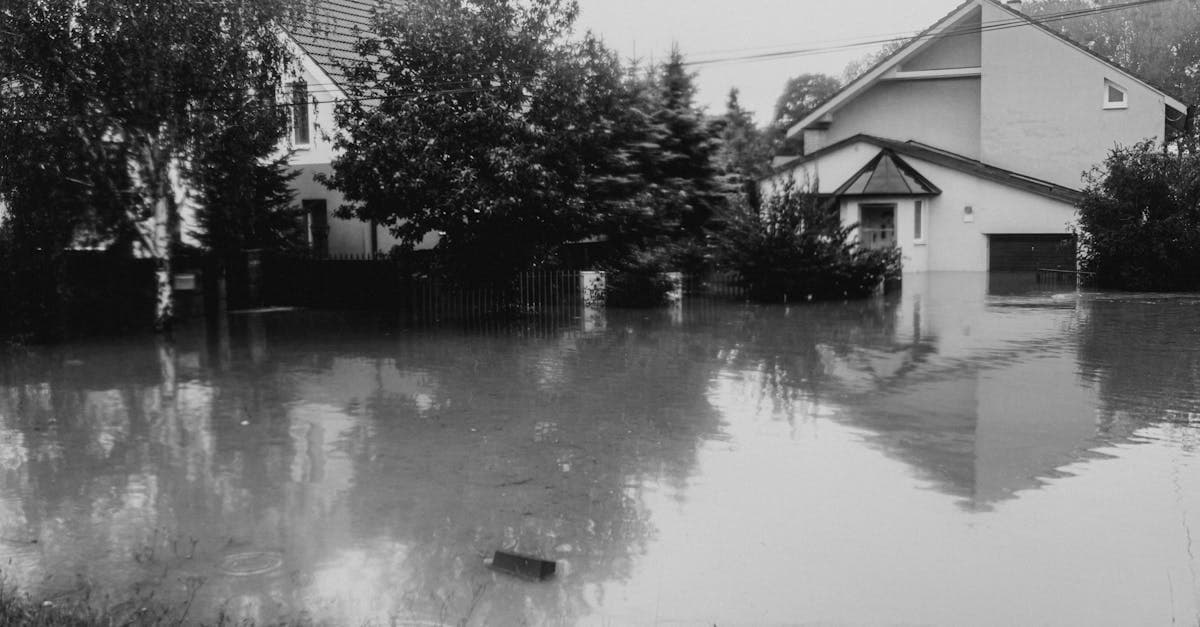
Preferred Risk Flood Policies: Affordable Coverage for Lower-Risk Homes
The NFIP offers Preferred Risk Policies for homes in moderate and low-risk flood zones at significantly reduced premiums. These affordable policies provide meaningful flood protection at a fraction of high-risk zone rates.

Florida's Hurricane Deductible Law: Once Per Calendar Year Protection
Florida statute 627.701 limits hurricane deductibles to one application per calendar year regardless of how many storms strike. This consumer protection is unique among hurricane-prone states and significantly reduces financial exposure.

The National Weather Service Declaration That Activates Your Hurricane Deductible
Your hurricane deductible is tied to official National Weather Service classifications. When the NWS declares a hurricane watch or warning for your county, your policy's hurricane deductible provisions may activate.

Why Florida Hurricane Deductibles Are Percentage-Based Instead of Flat Dollar Amounts
Florida law allows insurers to set hurricane deductibles as a percentage of dwelling coverage. This percentage-based structure means your hurricane deductible increases as your home value and coverage limits rise.

Why Hurricane Deductibles Exist: The Economics Behind Higher Storm Deductibles
Hurricane deductibles were created because hurricanes cause catastrophic correlated losses that strain the insurance industry. Higher deductibles reduce insurer exposure and keep hurricane coverage available.

The Concurrent Causation Problem: When Wind and Flood Damage Happen Simultaneously
Hurricanes often cause both wind and flood damage in a single event. When both perils contribute to the same damage, determining which policy pays becomes a complex and contentious process.

Flood Insurance and Homeowners Insurance: Coverage Limits Compared
Homeowners insurance typically covers your full dwelling value while NFIP flood insurance caps at $250,000 for buildings and $100,000 for contents. Understanding these limits helps you plan adequate coverage.

Flood Insurance Limitations Every Homeowner Must Know Before Filing a Claim
Filing a flood insurance claim reveals exclusions most policyholders never studied in their policy. Learning these limitations before a flood lets you prepare financially for the costs your policy will not cover.

Does Flood Insurance Cover My Foundation? Structural Coverage Explained
Flood insurance covers foundation walls, anchor bolts, and the structural components that support your home. Understanding how foundation coverage works helps homeowners protect their most critical asset.

Flood Insurance for Florida Renters: Why Your Landlord's Policy Is Not Enough
Florida renters face flood risk too, and your landlord's flood policy does not cover your personal belongings. A renter's flood policy provides affordable protection for your possessions.

Flood Insurance and Your Florida Mortgage: When Your Lender Requires It
Mortgage lenders with federally backed loans must require flood insurance for properties in Special Flood Hazard Areas. This requirement applies at closing and must be maintained for the life of the loan.
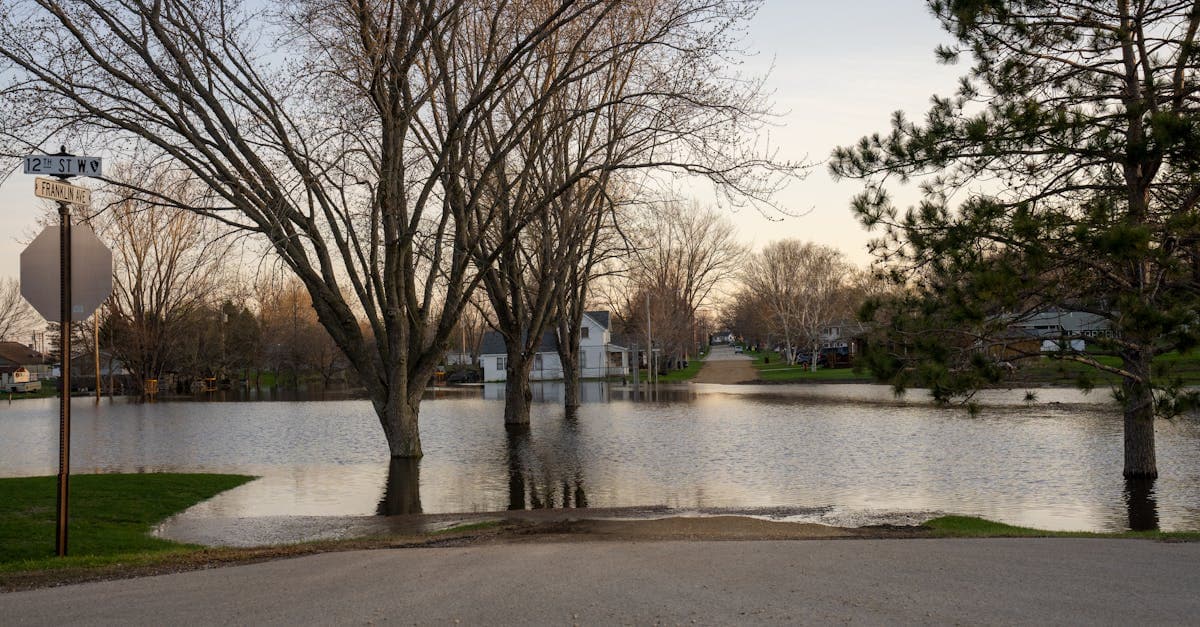
How Much Does Flood Insurance Cost? Factors That Determine Your Premium
Flood insurance premiums depend on your flood zone, elevation, building type, coverage amount, and deductible. NFIP premiums average around $700 per year but can range from under $200 to over $3,000 annually.

What Counts as a Flood Under Your Homeowners Insurance Policy?
Your policy defines flood as a general and temporary condition where normally dry land is inundated by rising water. This definition captures storm surge, river overflow, mudflow, and surface runoff but not burst pipes or appliance leaks.

How Roof Age Affects Your Florida Homeowners Insurance Options
Florida insurers increasingly restrict coverage based on roof age. Knowing how old your roof is and how insurers evaluate roof condition helps you anticipate coverage limitations and premium impacts.

Finished Basement and Homeowners Insurance: Coverage Implications
Finishing your basement adds living space and replacement cost to your home. Your dwelling coverage limit must increase to reflect the framing, flooring, electrical, and fixtures added during the conversion.

Understanding Coverage Limits on Your Homeowners Declarations Page
Your declarations page lists specific dollar limits for each coverage on your policy. Understanding what Coverage A through Coverage F means helps you verify that your protection is adequate.

Photographic Evidence: Your Most Important Claim Document
Before-and-after photographs of your home and belongings provide visual proof of pre-loss condition and post-loss damage that no written description can match. Regular photo documentation is the easiest and most effective claim preparation.
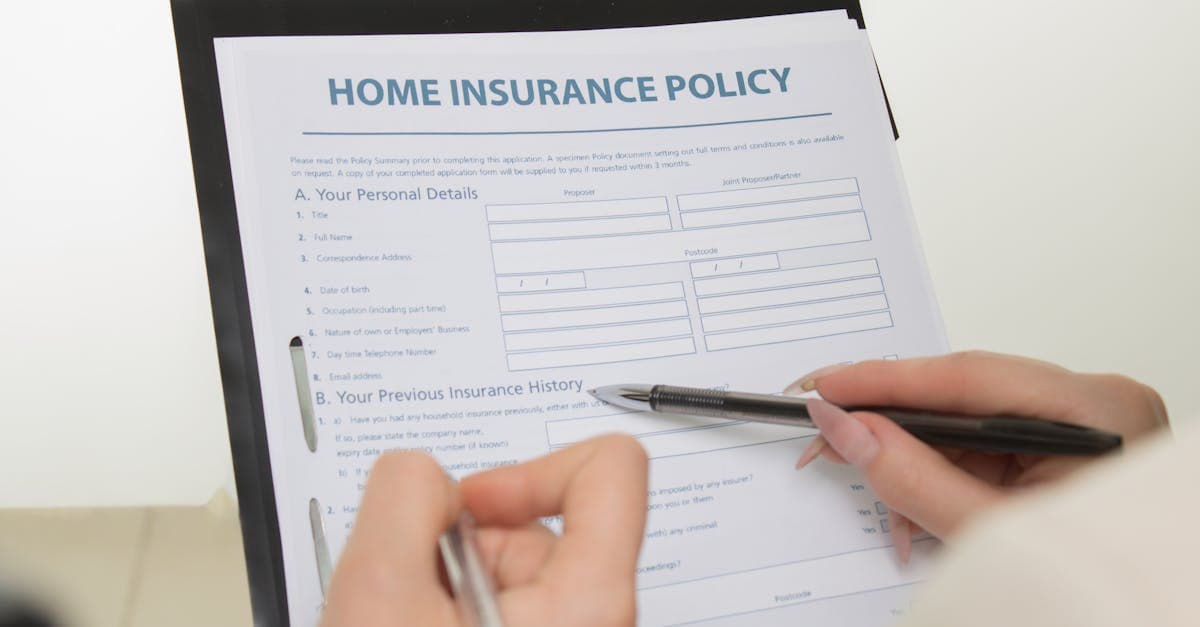
Short-Rate vs Pro-Rata Cancellation: What It Means for Your Refund
Pro-rata cancellation returns the exact unused portion of your premium, while short-rate cancellation includes a penalty that reduces your refund. Understanding the difference helps you calculate the true cost of switching.

Deductible Review at Renewal: Are You Paying Too Much or Too Little Out of Pocket?
Your deductible directly affects both your premium and your claim costs. Reviewing it at renewal ensures the balance between monthly savings and out-of-pocket risk still makes financial sense for your household.

How Natural Disaster Risk Changes Drive Homeowners Premium Increases
As wildfires, hurricanes, hailstorms, and flooding become more frequent and severe, insurers raise premiums across entire regions to account for the increased catastrophe risk.

Wind and Hail Deductibles Explained: Why They Are Different From Your Standard Deductible
Many policies in storm-prone areas carry separate wind and hail deductibles that are higher than the standard deductible. Knowing when these special deductibles apply prevents claim-time confusion.

Do You Need an Umbrella Policy on Top of Your Homeowners Insurance?
An umbrella policy adds $1 million or more in liability coverage above your homeowners and auto policy limits. For homeowners with significant assets, an umbrella policy provides essential protection against catastrophic lawsuits at a surprisingly low cost.

The ACV Gap: Why Your Homeowners Insurance Pays Less Than You Expect
The gap between what you need to recover and what ACV coverage actually pays is one of the most common sources of financial hardship after a home loss. Here is how to calculate yours.

Extended Replacement Cost Coverage: Extra Protection When Rebuilding Costs Exceed Your Limit
Extended replacement cost provides an additional buffer — typically 25 to 50 percent above your dwelling limit — when construction costs unexpectedly exceed your coverage amount during rebuilding.

What Does Personal Property Coverage Pay For After a Fire?
After a fire destroys your belongings, personal property coverage pays to replace furniture, clothing, electronics, appliances, and virtually everything else inside your home.
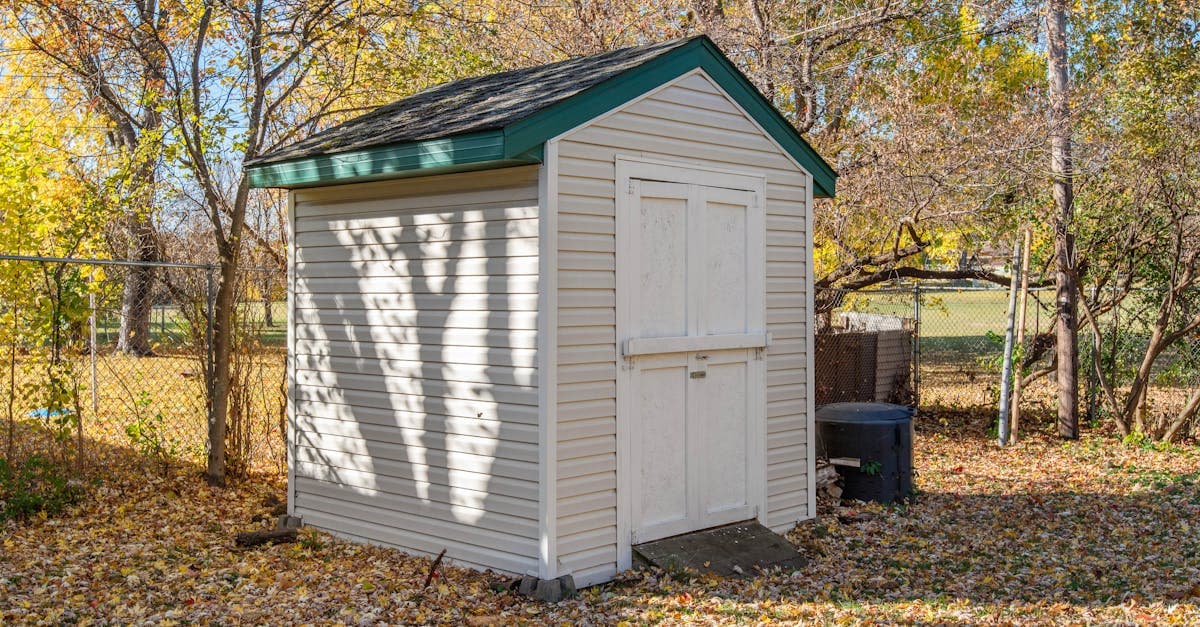
Does Your Homeowners Policy Cover a Detached Garage? Coverage B Answers
A detached garage is one of the most common structures protected under Coverage B. Your other structures coverage pays for repairs when a covered peril damages the garage.

What Does Dwelling Coverage Actually Pay For After a Covered Loss?
Dwelling coverage pays to repair or rebuild your home's physical structure including the foundation, framing, roof, siding, electrical, plumbing, HVAC, and permanently installed fixtures.

How Much Loss of Use Coverage Do You Need on Your Homeowners Policy?
Most homeowners policies set loss of use coverage at 20 to 30 percent of your dwelling coverage. Understanding whether this amount is sufficient for your situation is critical.

How Much Personal Liability Coverage Do You Need on Your Home Policy?
Most homeowners policies start with $100,000 in liability coverage, but that may not be enough. Here is how to determine the right amount for your situation.

Does Homeowners Insurance Cover a College Student's Belongings?
Students living in dorms or off-campus housing may be covered under their parents' homeowners policy. The rules depend on age, enrollment status, and living arrangements.
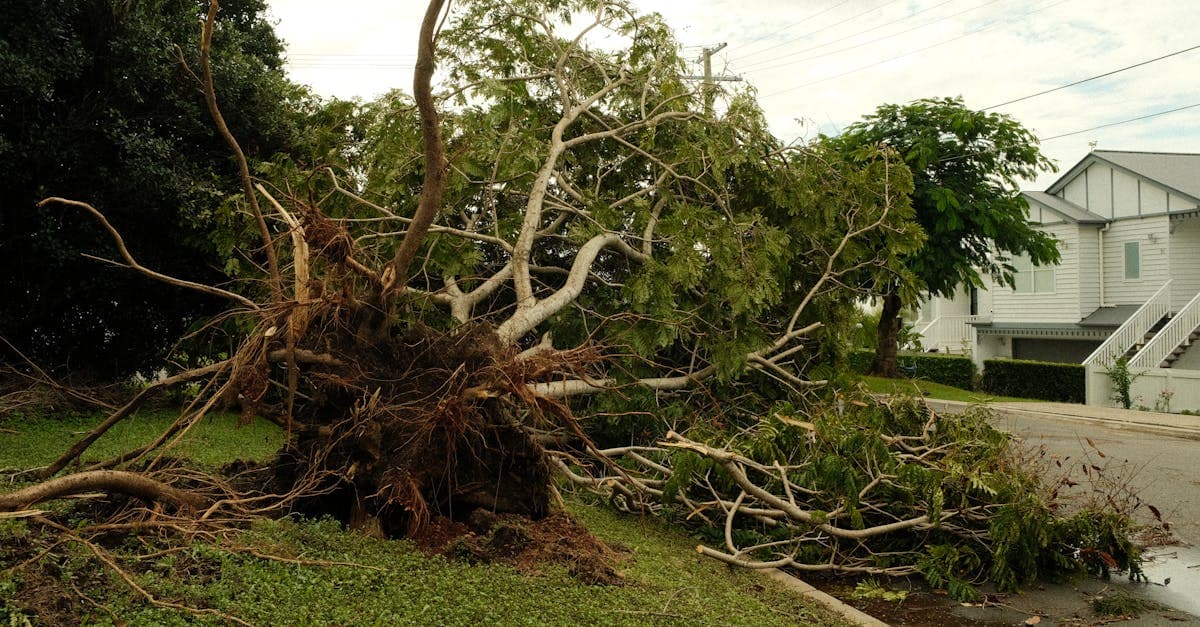
Tree Removal Costs: What Your Homeowners Insurance Covers
Tree removal after a fall can cost hundreds to thousands of dollars. Your homeowners policy covers removal under specific circumstances with per-tree limits.

Does Homeowners Insurance Cover Tornado Damage?
Tornadoes can level entire homes in seconds. Understanding your coverage before tornado season ensures you are prepared for the worst-case scenario.

Water Heater Failure and Home Insurance: What Is Covered?
When a water heater bursts or leaks, the resulting water damage is typically covered. But replacing the water heater itself involves important coverage distinctions.

Mold Coverage Limits: How Much Will Your Homeowners Policy Pay?
Even when mold is covered, most policies cap payouts at $5,000 to $10,000. Knowing your policy's mold sublimit prevents devastating surprises during remediation.
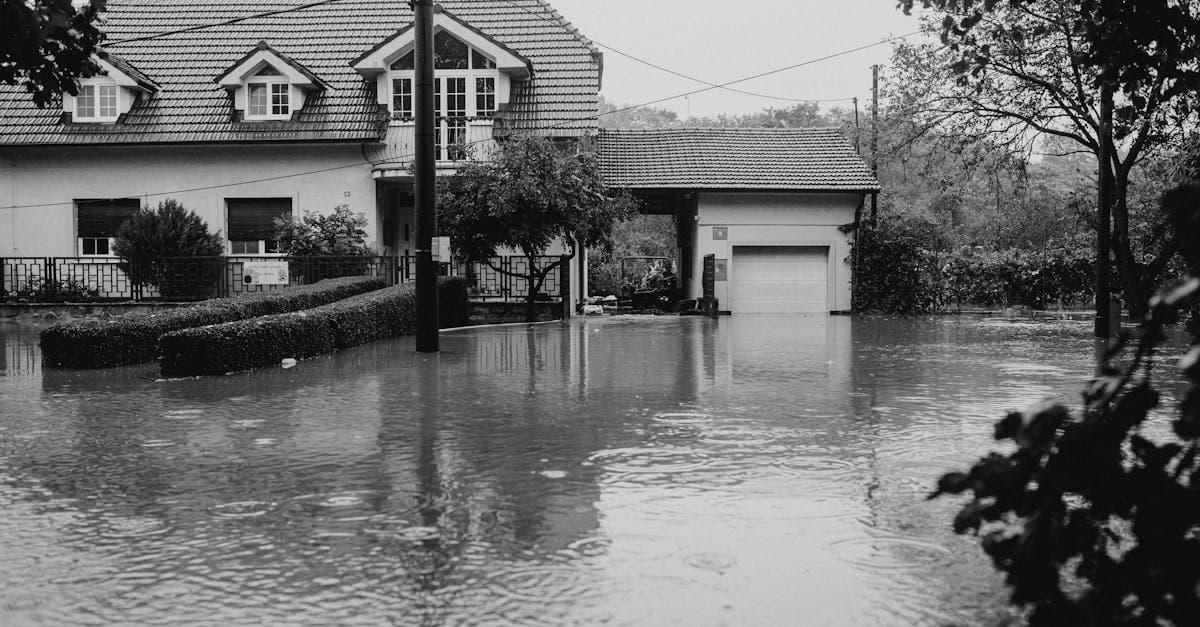
Water Damage From Above vs Below: Coverage Differences Explained
Water entering your home from a burst pipe above is covered differently than water seeping in from below. The direction and source of water determine your coverage under a standard homeowners policy.

The Age of Your Roof and How It Affects Insurance Coverage for Leaks
Your roof's age dramatically impacts how your insurer handles leak claims. Older roofs face depreciation, higher deductibles, and potential coverage limitations that every homeowner should understand.

Maintenance and Neglect: Why Your Insurer Denies These Claims Every Time
Homeowners insurance never covers damage caused by deferred maintenance or neglect. Understanding the maintenance exclusion motivates proactive home care that prevents costly claim denials.

Homeowners Liability Coverage: Your Financial Shield Against Lawsuits
Liability coverage protects you when someone is injured on your property or you accidentally damage their property. This coverage is one of the most valuable parts of your policy.

Florida Hurricane Season and Your Insurance Policy Review Timeline
Reviewing your auto and property coverage before June first ensures you are protected when Florida's most damaging weather arrives. Waiting until a storm forms is too late.

Florida License Suspension After an Insurance Lapse Explained
Florida can suspend your driver's license and revoke your vehicle registration within weeks of an insurance lapse. Understanding the timeline helps you respond before it is too late.

Why Florida Does Not Require Bodily Injury Liability Insurance
Florida is one of the few states that does not mandate bodily injury liability coverage. Understanding this gap is critical for protecting your personal assets.

What Florida PDL Does and Does Not Cover
PDL covers damage you cause to other people's property, but it has clear limits and exclusions. Understanding both sides prevents costly surprises after an accident.

The Florida PIP Deductible: How Your Choice Affects Coverage
Florida lets you choose PIP deductibles of zero, 250, 500, or 1000 dollars. Your deductible choice directly impacts both your premium and your out-of-pocket costs after a crash.

Filing a Police Report After a Florida Car Accident: When It Is Required
Florida law requires police reports for accidents meeting certain thresholds. Understanding the requirements ensures proper documentation.

Can You Sue Someone Who Crashes Your Car?
You may have legal options against someone who crashes your borrowed vehicle. Understanding when lawsuits make sense helps you recover costs.

Primary vs Secondary Coverage: Which Policy Pays First?
When two insurance policies could apply to one accident, one pays first. Understanding the primary and secondary coverage hierarchy prevents confusion.

Catalytic Converter Theft and Insurance: What Drivers Need to Know
Catalytic converter theft has surged in recent years. Your comprehensive insurance covers the replacement, but understanding the claim process and prevention options is essential.

Florida Windshield Coverage: What Drivers Should Know
Florida law requires insurers to waive your deductible for windshield replacement under comprehensive coverage. Understanding this benefit saves Florida drivers hundreds.

Gap Insurance vs Loan Payoff Coverage: Key Differences
Gap insurance and loan payoff coverage sound similar but work differently. Understanding the distinction helps you choose the right protection.

Rental Reimbursement After an Accident: Step-by-Step Process
After an accident that disables your vehicle, rental reimbursement provides transportation during repairs. Here is how to activate and use the coverage.

How Roadside Assistance Handles Flat Tire Changes
A flat tire on the highway is stressful but manageable with roadside assistance. The service sends help to change your tire or transport you to a shop.

How to Decide If Uninsured Motorist Coverage Is Worth It for You
Your personal circumstances determine how much value UM coverage provides. This decision framework helps you evaluate the coverage for your specific situation.

Is Uninsured Motorist Coverage Required in Your State?
State requirements for UM coverage vary dramatically. Some states mandate it while others let drivers reject it entirely.

Animal Collisions and Comprehensive Insurance: What You Need to Know
Hitting a deer or other animal is covered by comprehensive, not collision. This distinction matters for your deductible and your rates.

When Does Collision Insurance Pay? Common Scenarios Covered
From fender benders to rollover accidents, collision insurance covers a wide range of vehicle damage. These are the most common situations where it applies.

Liability Limits Explained: Understanding Split Limits and Single Limits
Split limits divide coverage into per-person and per-accident caps. Single limits provide one pool for all damages. Understanding both helps you choose wisely.

Why Full Coverage Isn't Really Full: The Gaps Most Drivers Miss
Even with liability, collision, and comprehensive coverage, common scenarios still leave drivers paying out of pocket. Here's where full coverage falls short.

The Financial Case for Auto Insurance Beyond Legal Requirements
Legal minimums exist to protect others, not you. The financial case for adequate auto insurance goes far beyond what the state requires.

The Pre-Purchase Insurance Checklist Every Smart Buyer Uses
Smart insurance buyers follow a systematic approach to evaluating policies. This checklist ensures you never miss a critical question.

Why Most Policyholders Are Underinsured: The Cost of Skipping Reviews
The number one reason for inadequate coverage is failing to update policies as life changes. Regular reviews prevent the slow drift toward underinsurance.

Seven Common Reasons Your Insurance Rate Went Up This Year
From inflation to claims history to credit changes, these are the most frequent drivers of premium increases for American policyholders.

The Claim Filing Decision: When to Use Insurance and When to Pay Yourself
Smart policyholders know that insurance is a financial tool with costs beyond the deductible. Knowing when not to file is just as important as knowing when to file.

When Filing a Claim Is a No-Brainer
Certain situations make the filing decision easy: large losses, liability exposure, third-party injuries, and catastrophic events always warrant a claim.

How to Document Damage for an Insurance Claim (Step-by-Step)
Strong documentation can boost your settlement by thousands. Use this checklist to capture photos, receipts, and inventories that insurers can't dispute.

The Most Important Homeowners Insurance Endorsements
From sewer backup to scheduled property, these endorsements fill critical gaps in your standard homeowners policy for a modest premium.

Homeowners Insurance Exclusions: What Your Home Policy Does Not Cover
Flood, earthquake, wear and tear, and business use are just the beginning. Your homeowners policy excludes more than most people realize.

The Real Impact of Actual Cash Value on Your Claim
When your policy uses ACV, every item in your claim is reduced by depreciation. The cumulative effect can leave you far short of what you need to recover.
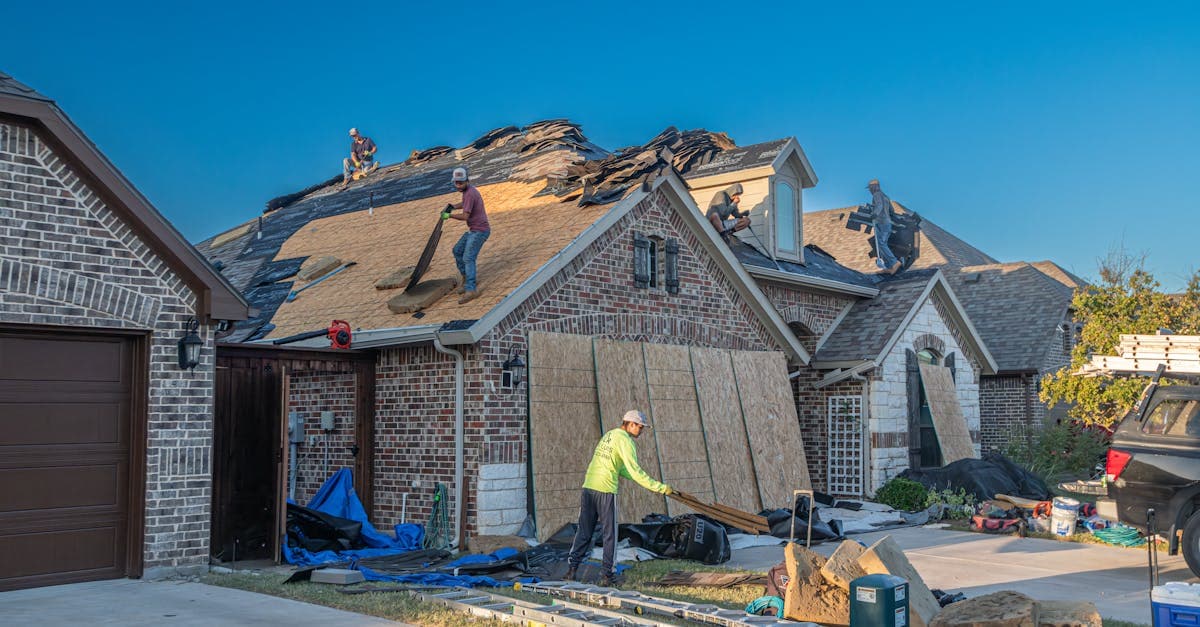
The Complete Guide to Replacement Cost in Insurance
From how insurers calculate it to how it affects your claim payout, this guide covers everything you need to know about replacement cost.

Insurance Deductibles: How to Pick the Right Amount
A higher deductible cuts your premium but raises your risk at claim time. Use this framework to choose the deductible that fits your savings and risk tolerance.
The Declarations Page: Your Insurance Policy's Front Door
Before you read a single clause of your policy, the declarations page tells you everything you need to know at a glance. Here is what to look for.

Premiums Decoded: What You Are Really Paying For
When you pay your insurance premium, where does that money actually go? The answer reveals how insurance works at its most fundamental level.

Deductibles Explained: The First Dollar You Spend on a Claim
Every insurance claim starts with your deductible. Here is what that means in practice and how to choose the right amount.

What Insurance Actually Covers: A Foundational Guide to Understanding Your Protection
Most people buy insurance without fully understanding what it does and doesn't cover — a gap that only surfaces when a claim is denied. This foundational guide breaks down the real anatomy of coverage so you can build protection that actually works.
