Flood Insurance and Homeowners Insurance: Coverage Limits Compared

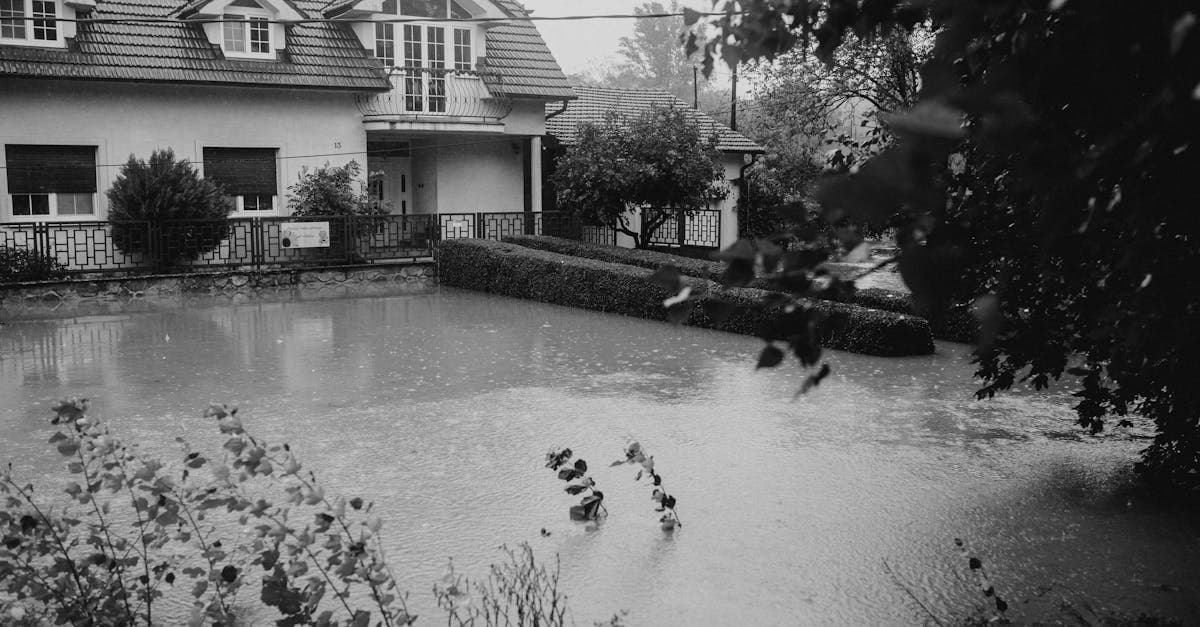
In my years working with homeowners after water damage events, the most painful conversations happen when a family discovers the flood exclusion in their homeowners policy for the first time. They stare at their adjuster in disbelief. They have paid homeowners insurance premiums for years. Water damaged their home. And their policy does not cover it.
The confusion is understandable. Homeowners insurance covers water damage from burst pipes. It covers water damage from ice dams. It covers water damage from appliance failures. But the moment water enters from outside — rising from the ground, flowing across the surface, or surging from a storm — the homeowners policy steps aside and says this is not my responsibility.
I have watched families try to argue that the water came through the walls, not from the ground. I have seen homeowners point to the rain as the source, hoping the adjuster will classify it as storm damage rather than flood damage. But adjusters are trained to identify flood damage, and the policy language is unambiguous. Rising water is a flood. Surface runoff is a flood. Storm surge is a flood. None of it is covered by homeowners insurance.
The families who recover without financial devastation are the ones who understood the distinction before the water arrived. They carried both policies. They filed two claims — one to each insurer — and each policy covered its portion of the damage. Their total out-of-pocket cost was their deductibles, not their life savings.
Loss of Use Coverage: A Critical Gap Between Flood and Homeowners Insurance
Our investigation revealed something surprising. One of the most impactful differences between flood insurance and homeowners insurance has nothing to do with property damage — it is about where you live while your home is being repaired.
Homeowners insurance loss of use: Standard homeowners policies include Coverage D — Loss of Use or Additional Living Expenses. If a covered event like fire, windstorm, or internal water damage makes your home uninhabitable during repairs, your homeowners policy pays for temporary housing, increased food costs, and other necessary expenses. This coverage typically has a generous limit — often 20 to 30 percent of your dwelling coverage amount.
NFIP flood insurance has no loss of use: The NFIP does not provide loss of use or additional living expense coverage. If flooding makes your home uninhabitable for weeks or months during repairs, the NFIP policy does not pay for a hotel, rental apartment, or any increased living costs. You pay these expenses out of pocket.
The financial impact of this gap: Flood damage that displaces a family for two to three months can generate $5,000 to $15,000 or more in additional living expenses — hotel rooms, restaurant meals, laundry, storage, and transportation. Without loss of use coverage, these costs add to the financial burden of the flood event.
Private flood insurance may help: Some private flood insurers include loss of use coverage in their flood policies. This benefit can be a significant differentiator when comparing NFIP and private flood options, especially for homes where severe flood damage could require extended displacement.
Planning for displacement without coverage: Since NFIP flood insurance does not cover displacement, homeowners should plan for this gap. Maintaining emergency savings sufficient to cover two to three months of temporary housing provides a financial buffer. Some homeowners purchase separate displacement coverage or factor this gap into their emergency planning.
Why the gap exists: The NFIP was designed to cover direct physical damage from flooding, keeping premiums as low as possible. Adding loss of use coverage would increase NFIP premiums, which conflicts with the program's goal of making flood insurance affordable and accessible. This design choice creates the gap that homeowners must address through other means.
Water Damage Scenarios: Which Policy Pays for What
Our investigation revealed something surprising. Mapping specific water damage scenarios to the correct insurance policy eliminates confusion and ensures you know exactly what to expect from each policy when water damage occurs.
Burst pipe in the kitchen: Your homeowners insurance pays. This is sudden and accidental internal water damage — a core covered peril in every homeowners policy. Coverage includes repair of the pipe, water extraction, damaged flooring, drywall, cabinets, and personal property.
River overflows and floods your ground floor: Your flood insurance pays. Rising water from a natural waterway is the textbook definition of flood damage. Your homeowners policy excludes this entirely. Without flood insurance, you pay the full cost out of pocket.
Hurricane wind damages your roof and storm surge floods your first floor: Both policies pay, but for different damage. Homeowners insurance covers the roof damage and any water damage from rain entering through the damaged roof. Flood insurance covers the storm surge damage to your first floor. Two claims, two adjusters, two separate payments.
Heavy rain overwhelms storm drains and water enters through your front door: Your flood insurance pays. Surface water that accumulates from rainfall and enters your home from outside is flood damage. Even though the source is rain, the fact that water rose and entered at ground level makes it a flood event.
Sewer backs up into your basement during a storm: This requires sewer backup coverage — an endorsement on your homeowners policy, not flood insurance. If surface water also enters your basement from outside simultaneously, you may need both your sewer backup endorsement and flood insurance to cover all the damage.
Washing machine supply line bursts while you are on vacation: Your homeowners insurance pays. This is an internal plumbing failure, a covered peril under homeowners policies. However, damage may be reduced if your policy has a vacancy limitation.
Groundwater rises and enters your basement: Your flood insurance pays. Rising groundwater that inundates your basement meets the NFIP definition of flooding. Your homeowners policy excludes this water source entirely.
Sewer Backup Coverage: The Third Piece of Complete Water Protection
The records show a different story. Between flood insurance and homeowners insurance, there is a third water damage coverage that many homeowners overlook: sewer backup coverage. Understanding all three products ensures no water damage scenario leaves you unprotected.
What sewer backup coverage is: Sewer backup coverage is an endorsement — an add-on — to your homeowners insurance policy. It covers water damage caused by water or sewage that backs up into your home through sewer lines, floor drains, or sump pump systems. This is not a standalone policy but a rider on your existing homeowners coverage.
Why standard homeowners does not cover it: Many homeowners policies exclude or limit coverage for water that backs up through drains or sewers. The sewer backup endorsement adds this coverage back into the policy for an additional premium, typically $40 to $160 per year.
Why flood insurance does not cover it: Flood insurance covers water that enters from outside as surface water or overflow. Sewer backup enters through your home's drainage system — a different entry mechanism. The NFIP does not classify sewer backup as a flood event unless the backup was directly caused by flooding on the surface.
When sewer backup and flooding happen together: Heavy rainfall can simultaneously overwhelm municipal sewers causing backup through your drains and cause surface flooding that enters through doors and foundations. You may need both sewer backup coverage and flood insurance to cover all the damage from a single rainfall event.
Coverage limits for sewer backup: Sewer backup endorsements typically provide $5,000 to $25,000 in coverage — significantly less than homeowners or flood policy limits. For homes with finished basements where sewer backup damage can be extensive, selecting the highest available limit is advisable.
The complete water damage protection package: Homeowners insurance for internal water events. Flood insurance for external rising water. Sewer backup coverage for drain and sewer backflows. Together, these three products cover virtually every way water can damage your home. The combined cost — homeowners premium plus a few hundred for flood plus $40 to $160 for sewer backup — is modest compared to the comprehensive protection provided.
Water Damage Scenarios: Which Policy Pays for What
Our investigation revealed something surprising. Mapping specific water damage scenarios to the correct insurance policy eliminates confusion and ensures you know exactly what to expect from each policy when water damage occurs.
Burst pipe in the kitchen: Your homeowners insurance pays. This is sudden and accidental internal water damage — a core covered peril in every homeowners policy. Coverage includes repair of the pipe, water extraction, damaged flooring, drywall, cabinets, and personal property.
River overflows and floods your ground floor: Your flood insurance pays. Rising water from a natural waterway is the textbook definition of flood damage. Your homeowners policy excludes this entirely. Without flood insurance, you pay the full cost out of pocket.
Hurricane wind damages your roof and storm surge floods your first floor: Both policies pay, but for different damage. Homeowners insurance covers the roof damage and any water damage from rain entering through the damaged roof. Flood insurance covers the storm surge damage to your first floor. Two claims, two adjusters, two separate payments.
Heavy rain overwhelms storm drains and water enters through your front door: Your flood insurance pays. Surface water that accumulates from rainfall and enters your home from outside is flood damage. Even though the source is rain, the fact that water rose and entered at ground level makes it a flood event.
Sewer backs up into your basement during a storm: This requires sewer backup coverage — an endorsement on your homeowners policy, not flood insurance. If surface water also enters your basement from outside simultaneously, you may need both your sewer backup endorsement and flood insurance to cover all the damage.
Washing machine supply line bursts while you are on vacation: Your homeowners insurance pays. This is an internal plumbing failure, a covered peril under homeowners policies. However, damage may be reduced if your policy has a vacancy limitation.
Groundwater rises and enters your basement: Your flood insurance pays. Rising groundwater that inundates your basement meets the NFIP definition of flooding. Your homeowners policy excludes this water source entirely.
Sewer Backup Coverage: The Third Piece of Complete Water Protection
The records show a different story. Between flood insurance and homeowners insurance, there is a third water damage coverage that many homeowners overlook: sewer backup coverage. Understanding all three products ensures no water damage scenario leaves you unprotected.
What sewer backup coverage is: Sewer backup coverage is an endorsement — an add-on — to your homeowners insurance policy. It covers water damage caused by water or sewage that backs up into your home through sewer lines, floor drains, or sump pump systems. This is not a standalone policy but a rider on your existing homeowners coverage.
Why standard homeowners does not cover it: Many homeowners policies exclude or limit coverage for water that backs up through drains or sewers. The sewer backup endorsement adds this coverage back into the policy for an additional premium, typically $40 to $160 per year.
Why flood insurance does not cover it: Flood insurance covers water that enters from outside as surface water or overflow. Sewer backup enters through your home's drainage system — a different entry mechanism. The NFIP does not classify sewer backup as a flood event unless the backup was directly caused by flooding on the surface.
When sewer backup and flooding happen together: Heavy rainfall can simultaneously overwhelm municipal sewers causing backup through your drains and cause surface flooding that enters through doors and foundations. You may need both sewer backup coverage and flood insurance to cover all the damage from a single rainfall event.
Coverage limits for sewer backup: Sewer backup endorsements typically provide $5,000 to $25,000 in coverage — significantly less than homeowners or flood policy limits. For homes with finished basements where sewer backup damage can be extensive, selecting the highest available limit is advisable.
The complete water damage protection package: Homeowners insurance for internal water events. Flood insurance for external rising water. Sewer backup coverage for drain and sewer backflows. Together, these three products cover virtually every way water can damage your home. The combined cost — homeowners premium plus a few hundred for flood plus $40 to $160 for sewer backup — is modest compared to the comprehensive protection provided.
Building a Complete Protection Strategy With Both Policies
Our investigation revealed something surprising. The goal of carrying both flood insurance and homeowners insurance is creating seamless protection where no water damage scenario leaves you financially exposed. Building this strategy requires intentional decisions about coverage levels, deductibles, and supplemental coverages — because deploying both ground defense from homeowners insurance and naval protection from flood insurance to secure every approach water damage can take.
Start with homeowners insurance: Your homeowners policy is the foundation. Ensure your dwelling coverage matches your home's full replacement cost. Select personal property coverage sufficient to replace your belongings. Add endorsements for scheduled valuables, sewer backup coverage, and any other water-related endorsements your insurer offers.
Add flood insurance to fill the gap: Choose between NFIP and private flood insurance based on your property's characteristics and needs. If your home's value exceeds $250,000, consider private flood insurance for higher building limits. If your contents are valuable, consider a private policy with replacement cost contents coverage.
Align deductibles with your budget: Your total deductible exposure in a dual-claim event includes your homeowners deductible plus your flood insurance building deductible plus your flood insurance contents deductible. Ensure you can afford all applicable deductibles simultaneously after a major storm.
Add sewer backup coverage: For $40 to $160 per year, a sewer backup endorsement on your homeowners policy closes the gap between flood and homeowners coverage for water that enters through drains. This is especially important for homes with basements.
Review coverage annually: Home values, personal property values, and flood risk all change over time. Review both policies annually to ensure coverage levels, deductibles, and endorsements still match your needs. Update coverage amounts when you renovate, acquire valuable property, or when local conditions change.
Document your coverage strategy: Keep copies of both policies, your agent's contact information, and your coverage summary in a waterproof location or digital backup. After a water event, you need immediate access to both policy documents to file claims efficiently with both insurers.
Filing Claims: How the Process Differs Between Flood and Homeowners Insurance
Our investigation revealed something surprising. When water damages your home, the claims process depends on which policy responds. Understanding both processes before a loss event ensures you can navigate each one efficiently when it matters most.
Homeowners insurance claims process: Contact your insurance company directly or through your agent. An adjuster — either a company employee or an independent adjuster assigned by your insurer — inspects the damage. You provide documentation including photos, receipts, and an inventory of damaged items. The insurer evaluates the claim against your policy terms and issues payment, typically within two to four weeks for straightforward claims.
NFIP flood insurance claims process: Contact your flood insurance agent or the NFIP directly to report the loss. An NFIP-certified adjuster inspects the damage and prepares a detailed damage report. You provide proof of loss documentation within 60 days. FEMA reviews the adjuster's report and your documentation, then issues payment. The process can take several weeks to several months depending on the scope of damage and the volume of claims being processed.
When both claims happen simultaneously: After a storm that causes both wind and flood damage, you file separate claims with each insurer. Each sends its own adjuster. The adjusters must determine which damage was caused by wind — covered by homeowners insurance — and which was caused by flooding — covered by flood insurance. Clear documentation helps this separation process.
Documentation best practices: Photograph all damage before cleanup begins. Separate damaged items by likely cause — internal water versus external flooding. Keep receipts for all emergency repairs and temporary measures. Create a detailed inventory of damaged personal property with estimated values and ages.
Advance payments and emergency funds: Homeowners insurers often provide advance payments for emergency repairs and temporary housing. NFIP flood insurance may provide advance payments for serious damage but does not cover temporary housing. Having emergency savings accessible during the claims process prevents financial strain.
Dispute resolution differences: Homeowners insurance disputes go through your state's insurance department and potentially to court. NFIP flood insurance disputes can be appealed to FEMA and may proceed to federal court. Understanding the dispute resolution path for each policy helps if you disagree with a claim determination.
What I Have Seen: Why Both Policies Matter
In my experience working with homeowners after water damage events, the biggest predictor of financial recovery is whether they had the right insurance in place before the water arrived. Families with both flood and homeowners insurance file their claims, work through the process, and rebuild. Families with only homeowners insurance face devastating surprise exclusions when flood damage is denied.
The conversation I dread most is explaining to a homeowner that their $40,000 in flood damage is not covered because they only have homeowners insurance. They paid their premiums faithfully. They trusted their coverage. And their trust was misplaced because nobody clearly explained what the flood exclusion means.
The families who avoid this conversation are the ones who asked the right questions before buying their home. They learned that homeowners insurance excludes flooding. They purchased flood insurance — often for just a few hundred dollars a year. And when water damaged their home, they had a policy that responded regardless of the water's source.
You have the opportunity to be the homeowner who understands both policies and carries both. A few hundred dollars per year for flood insurance alongside your existing homeowners coverage is the most cost-effective protection decision you can make. Do not learn the difference between these two policies from a claims denial letter.
Continue reading

What Insurance Agents Wish You Knew About Comparing Quotes
Insurance professionals see policyholders make the same comparison mistakes repeatedly. Learning what agents wish consumers understood transforms quote shopping from a price hunt into a value analysis.

Policy Checkup After Getting Married: What Coverage Changes You Need
Marriage affects auto insurance, homeowners coverage, life insurance, and liability protection. Reviewing all your policies after getting married ensures both spouses are properly covered.

AOB Agreements and Your Rights as an Insurance Policyholder
You have the right to accept or refuse an assignment of benefits. Knowing your rights before a contractor asks you to sign helps you maintain control of your insurance claim.