Flood Insurance and Your Florida Mortgage: When Your Lender Requires It

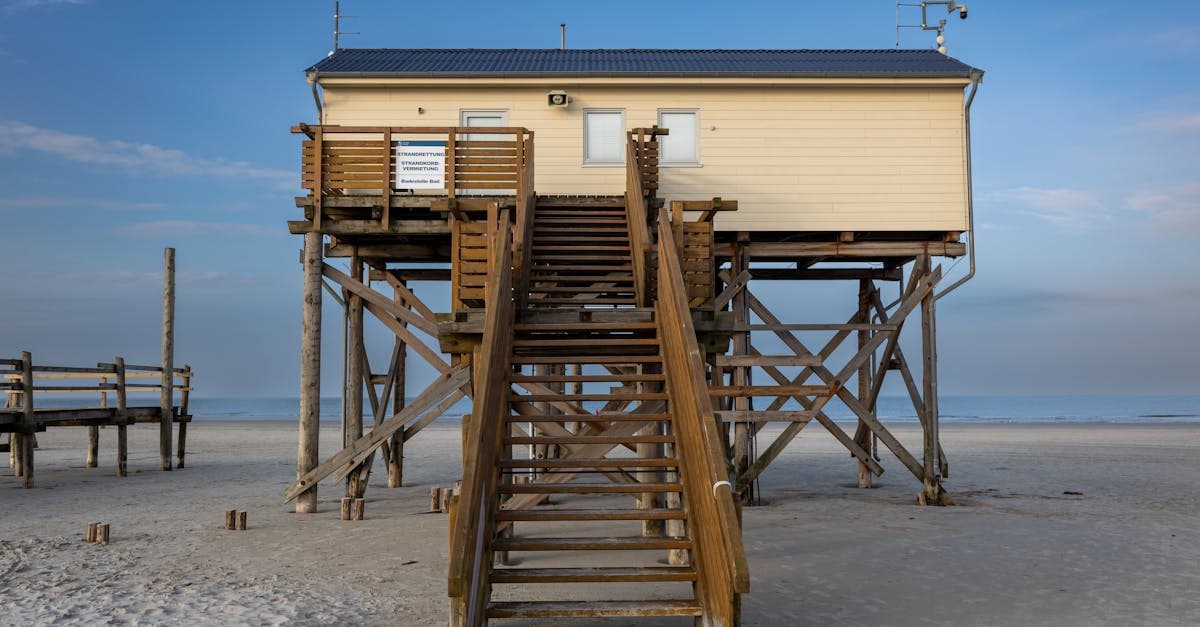
In my experience advising Florida homeowners on flood insurance, the most common and most costly mistake is assuming that the absence of a requirement means the absence of risk. Homeowners who pay off their mortgage and drop flood insurance. Homeowners in Zone X who never considered coverage. Homeowners who confused wind coverage on their homeowners policy with flood coverage. These knowledge gaps cost Florida homeowners billions in uninsured losses.
The requirement itself is straightforward — if you are in a Special Flood Hazard Area with a federally backed mortgage, you must carry flood insurance. Period. The more nuanced conversation is about the vast number of Florida properties that face real flood risk without a legal mandate to carry coverage.
I have worked with homeowners who flooded in neighborhoods that had never flooded before. Neighborhoods where new construction altered drainage patterns. Neighborhoods where aging infrastructure could not handle the intensity of modern rainfall events. The water does not check FEMA maps before entering your home.
The goal of this guide is not just to explain the requirements — which we will cover thoroughly — but to help you evaluate your actual risk so you can make an informed decision regardless of whether anyone requires you to carry coverage.
Why Florida's Flood Risk Is Unique and Requirements Are So Important
The records show a different story. Florida's geographic and climatic characteristics create flood risk that is unmatched in the continental United States. Understanding these factors explains why flood insurance requirements are so prevalent and why voluntary coverage is so strongly recommended.
Flat terrain: Florida's average elevation is just 100 feet above sea level, making it the flattest state in the nation. This flat terrain means water has nowhere to go during heavy rainfall. Instead of flowing downhill to natural drainage channels, water pools and spreads across the landscape, flooding homes that may be far from any body of water.
Coastal exposure: With 1,350 miles of coastline, Florida has the second-longest coastline in the nation. This coastal exposure creates massive storm surge risk during hurricanes and tropical storms. Storm surge can push walls of ocean water miles inland, flooding entire communities in hours.
Hurricane frequency: Florida is struck by tropical storms and hurricanes more frequently than any other state. The Atlantic hurricane season runs from June through November, and Florida's geographic position makes it vulnerable to storms from the Atlantic, the Gulf of Mexico, and the Caribbean.
Rainfall intensity: Florida receives an average of 54 inches of rain annually, with intense convective storms that can drop several inches per hour. Even without a tropical system, an afternoon thunderstorm can overwhelm drainage systems and cause localized flooding that damages homes.
Rising sea levels: Sea level rise is particularly acute in South Florida, where the porous limestone geology allows saltwater intrusion that can raise water tables and reduce the effectiveness of drainage systems. Higher baseline water levels make every storm event more likely to produce flooding.
Aging infrastructure: Many Florida communities have stormwater management systems designed for lower rainfall intensities and smaller populations than they now serve. As development increases impervious surfaces and climate change increases rainfall intensity, these systems are increasingly overwhelmed during major rain events.
The National Flood Insurance Program in Florida
Our investigation revealed something surprising. The NFIP is the primary source of flood insurance for Florida homeowners. Created by the federal government, it provides standardized flood coverage in communities that adopt and enforce FEMA floodplain management regulations. Nearly every community in Florida participates in the NFIP.
How the NFIP works: The federal government underwrites flood insurance policies sold through private insurance agents and companies. The policies use standardized forms and coverage amounts set by FEMA. Premiums are calculated based on flood zone, building characteristics, elevation relative to the base flood elevation, and — since Risk Rating 2.0 — individual property risk factors.
Residential coverage limits: The NFIP provides up to $250,000 in building coverage and up to $100,000 in contents coverage for residential properties. These limits have not been increased in decades, and many Florida homes are worth significantly more than $250,000. Homeowners needing coverage above NFIP limits must purchase excess flood insurance from private insurers.
The 30-day waiting period: New NFIP policies have a 30-day waiting period before coverage takes effect. The primary exception is when flood insurance is required as a condition of a new mortgage — in that case, coverage takes effect at loan closing. Florida homebuyers should account for this waiting period when planning their coverage.
Cost in Florida: NFIP premiums in Florida vary widely. Properties in low-risk zones may qualify for Preferred Risk Policies starting under $500 annually. High-risk zone properties with low elevations can pay $3,000 to $10,000 or more annually, particularly under Risk Rating 2.0 pricing. The average NFIP premium in Florida is approximately $1,000 to $1,500 per year.
Claims process: NFIP claims are filed through your insurance agent and adjusted by FEMA-certified adjusters. The claims process can take 60 to 90 days or longer after a major flood event. Understanding the process before you need it helps speed your recovery.
What Happens When Required Flood Insurance Lapses in Florida
Our investigation revealed something surprising. Letting required flood insurance lapse in Florida triggers a chain of consequences that affect your mortgage, your finances, and your eligibility for future assistance. This lapse represents the undefended flank that exposes Florida homeowners to six-figure losses when they fail to secure the flood insurance their risk zone demands.
Force-placed insurance: Within 45 days of a flood insurance lapse, your mortgage lender is required to purchase force-placed flood insurance on your behalf. This coverage is significantly more expensive than a standard policy — often two to three times the premium — and provides only enough coverage to protect the lender's interest, not your full replacement cost.
Cost burden: The cost of force-placed flood insurance is added to your mortgage payment or escrow account. The higher cost can strain your monthly budget and, if unpaid, can lead to escrow shortages, increased monthly payments, and eventually mortgage delinquency.
Coverage gaps during lapse: If flooding occurs during the period between your policy lapse and the placement of force-placed insurance, you have no coverage. Even a brief gap can be catastrophic if a tropical storm or heavy rain event causes flooding during the uninsured period.
NFIP waiting period on reinstatement: If your NFIP policy lapses and you purchase a new one, the standard 30-day waiting period applies. This means you could be without flood coverage for a month even after purchasing a new policy, unless the purchase is required for a loan closing.
Federal disaster assistance implications: If you previously received federal flood disaster assistance and were required to maintain flood insurance as a condition of that assistance, letting coverage lapse can make you ineligible for future federal disaster assistance for flood damage to the same property.
How to prevent lapses: Set up automatic payment or ensure your lender's escrow account funds your flood insurance premium. Verify renewal notices and confirm payment before your policy expiration date. A brief administrative oversight can trigger the entire force-placement process.
The National Flood Insurance Program in Florida
Our investigation revealed something surprising. The NFIP is the primary source of flood insurance for Florida homeowners. Created by the federal government, it provides standardized flood coverage in communities that adopt and enforce FEMA floodplain management regulations. Nearly every community in Florida participates in the NFIP.
How the NFIP works: The federal government underwrites flood insurance policies sold through private insurance agents and companies. The policies use standardized forms and coverage amounts set by FEMA. Premiums are calculated based on flood zone, building characteristics, elevation relative to the base flood elevation, and — since Risk Rating 2.0 — individual property risk factors.
Residential coverage limits: The NFIP provides up to $250,000 in building coverage and up to $100,000 in contents coverage for residential properties. These limits have not been increased in decades, and many Florida homes are worth significantly more than $250,000. Homeowners needing coverage above NFIP limits must purchase excess flood insurance from private insurers.
The 30-day waiting period: New NFIP policies have a 30-day waiting period before coverage takes effect. The primary exception is when flood insurance is required as a condition of a new mortgage — in that case, coverage takes effect at loan closing. Florida homebuyers should account for this waiting period when planning their coverage.
Cost in Florida: NFIP premiums in Florida vary widely. Properties in low-risk zones may qualify for Preferred Risk Policies starting under $500 annually. High-risk zone properties with low elevations can pay $3,000 to $10,000 or more annually, particularly under Risk Rating 2.0 pricing. The average NFIP premium in Florida is approximately $1,000 to $1,500 per year.
Claims process: NFIP claims are filed through your insurance agent and adjusted by FEMA-certified adjusters. The claims process can take 60 to 90 days or longer after a major flood event. Understanding the process before you need it helps speed your recovery.
What Happens When Required Flood Insurance Lapses in Florida
Our investigation revealed something surprising. Letting required flood insurance lapse in Florida triggers a chain of consequences that affect your mortgage, your finances, and your eligibility for future assistance. This lapse represents the undefended flank that exposes Florida homeowners to six-figure losses when they fail to secure the flood insurance their risk zone demands.
Force-placed insurance: Within 45 days of a flood insurance lapse, your mortgage lender is required to purchase force-placed flood insurance on your behalf. This coverage is significantly more expensive than a standard policy — often two to three times the premium — and provides only enough coverage to protect the lender's interest, not your full replacement cost.
Cost burden: The cost of force-placed flood insurance is added to your mortgage payment or escrow account. The higher cost can strain your monthly budget and, if unpaid, can lead to escrow shortages, increased monthly payments, and eventually mortgage delinquency.
Coverage gaps during lapse: If flooding occurs during the period between your policy lapse and the placement of force-placed insurance, you have no coverage. Even a brief gap can be catastrophic if a tropical storm or heavy rain event causes flooding during the uninsured period.
NFIP waiting period on reinstatement: If your NFIP policy lapses and you purchase a new one, the standard 30-day waiting period applies. This means you could be without flood coverage for a month even after purchasing a new policy, unless the purchase is required for a loan closing.
Federal disaster assistance implications: If you previously received federal flood disaster assistance and were required to maintain flood insurance as a condition of that assistance, letting coverage lapse can make you ineligible for future federal disaster assistance for flood damage to the same property.
How to prevent lapses: Set up automatic payment or ensure your lender's escrow account funds your flood insurance premium. Verify renewal notices and confirm payment before your policy expiration date. A brief administrative oversight can trigger the entire force-placement process.
The Cost of Required Flood Insurance in Florida and How to Budget for It
The records show a different story. Understanding flood insurance costs in Florida helps you budget accurately and identify strategies for managing premium expenses. This is fortifying your Florida property's financial defenses by meeting every flood insurance requirement before the next storm makes landfall.
Cost factors: Flood insurance premiums in Florida are determined by flood zone, building elevation relative to base flood elevation, building age, construction type, number of floors, foundation type, and — under Risk Rating 2.0 — distance to water sources and replacement cost. Each of these factors contributes to your individual premium.
Typical cost ranges: NFIP premiums in Florida range widely. Properties in preferred risk areas may pay $400 to $700 annually. Properties in high-risk zones built above the base flood elevation may pay $1,000 to $2,500. Properties in high-risk zones at or below the base flood elevation can pay $3,000 to $10,000 or more. Coastal V zone properties face the highest premiums.
Private flood insurance pricing: Private flood insurers in Florida may offer competitive pricing, particularly for newer construction, elevated homes, and properties with favorable risk characteristics. Getting quotes from both the NFIP and private insurers is the best way to find the most affordable coverage that meets your requirements.
Premium reduction strategies: Obtaining an elevation certificate, installing flood vents in enclosures below the base flood elevation, elevating utilities above the base flood elevation, and filing a LOMA if your property qualifies can all reduce premiums. Community Rating System discounts in participating communities provide additional savings.
Budgeting for premium increases: Under Risk Rating 2.0, some Florida properties face annual premium increases of up to 18 percent per year until the full actuarial rate is reached. Budget for these increases to avoid surprises at renewal. Some properties will see increases for five or more consecutive years.
Comparing cost to risk: The average flood insurance premium in Florida is approximately $1,000 to $1,500 per year. The average flood claim exceeds $50,000. Even over a 30-year mortgage, the total premiums paid are likely to be less than a single significant flood loss — making flood insurance one of the most cost-effective risk management tools available to Florida homeowners.
Risk Rating 2.0 and Florida Flood Insurance Requirements
Our investigation revealed something surprising. FEMA's Risk Rating 2.0, implemented in October 2021 for new policies and April 2022 for renewals, fundamentally changed how flood insurance premiums are calculated in Florida. However, it did not change which properties are required to carry coverage.
What changed: Under the old rating system, premiums were based primarily on the flood zone designation, building elevation relative to the base flood elevation, and the type of flood zone. Risk Rating 2.0 introduced individualized rating that considers distance to water sources, types of flooding (river, coastal, rainfall), building replacement cost, building characteristics, and historical flood frequency.
What did not change: The mandatory purchase requirement remains tied to FEMA flood zone designations and mortgage type. Properties in Special Flood Hazard Areas with federally backed mortgages must still carry flood insurance regardless of how the premium is calculated. Risk Rating 2.0 changed the price, not the requirement.
Impact on Florida premiums: Risk Rating 2.0 produced mixed results in Florida. Some properties — particularly older, lower-value homes in moderate-risk areas — saw premium decreases. Many properties — especially higher-value coastal homes — saw significant increases. FEMA reports that nationally, about 23 percent of policyholders saw decreases while 77 percent saw increases under the new methodology.
Premium caps on increases: Federal law limits NFIP premium increases to 18 percent per year. Properties facing large increases under Risk Rating 2.0 will see their premiums rise gradually over multiple years until reaching the full actuarial rate. This means some Florida homeowners will experience annual premium increases for years before their rate fully reflects the new methodology.
Impact on voluntary coverage decisions: For Florida homeowners in non-mandatory zones considering voluntary flood insurance, Risk Rating 2.0 may make the cost more predictable because it reflects individual property risk rather than broad zone classifications. Properties farther from water sources and at higher elevations may see lower premiums than they would have under the old system.
Making Flood Insurance Work for Your Florida Home
In my experience working with Florida homeowners, the most costly flood insurance mistake is not failing to meet a requirement — it is failing to carry coverage when there is no requirement. The homeowner in Zone X who dropped coverage. The homeowner who paid off the mortgage and cancelled. The homeowner who thought wind coverage was the same as flood coverage. These are the stories that end in financial hardship.
The second most costly mistake is carrying minimum coverage that satisfies the lender but falls far short of the home's replacement cost. A $250,000 NFIP policy on a home that costs $450,000 to rebuild leaves a $200,000 gap — and that gap belongs to the homeowner.
The best approach I have seen Florida homeowners take is treating flood insurance as non-negotiable regardless of requirements. They carry coverage sufficient to rebuild their home, they review it annually, and they budget for premium changes. When flooding occurs — and in Florida, it is a matter of when, not if — they recover financially and move on with their lives.
Your Florida home faces flood risk. The requirement framework is an important safety net, but your financial protection should not depend on whether someone else requires you to carry coverage. Make the decision yourself, based on the risk.
Continue reading

What Insurance Agents Wish You Knew About Comparing Quotes
Insurance professionals see policyholders make the same comparison mistakes repeatedly. Learning what agents wish consumers understood transforms quote shopping from a price hunt into a value analysis.

Policy Checkup After Getting Married: What Coverage Changes You Need
Marriage affects auto insurance, homeowners coverage, life insurance, and liability protection. Reviewing all your policies after getting married ensures both spouses are properly covered.

AOB Agreements and Your Rights as an Insurance Policyholder
You have the right to accept or refuse an assignment of benefits. Knowing your rights before a contractor asks you to sign helps you maintain control of your insurance claim.