Gap Insurance vs Loan Payoff Coverage: Key Differences

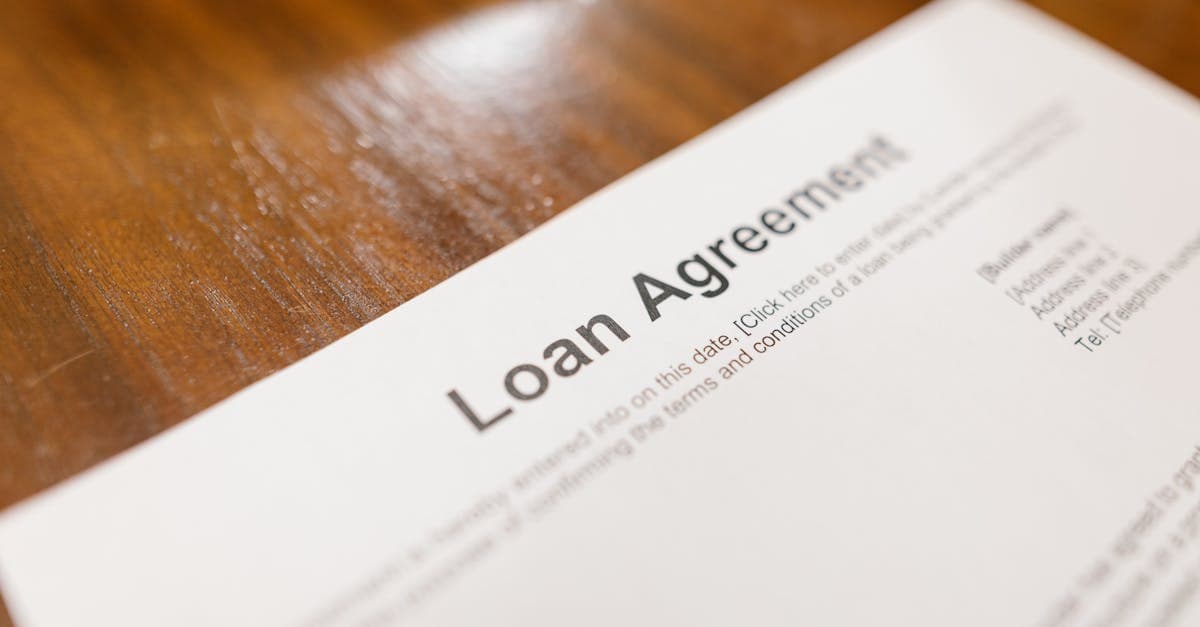
I have worked with countless drivers who discovered their gap exposure only after a total loss — and by then, it was too late. The conversation always follows the same painful pattern: their vehicle is totaled, their insurer pays the actual cash value, and they learn for the first time that they still owe thousands on a vehicle they can no longer drive.
The most devastating cases involve drivers who financed with small down payments, rolled negative equity from a trade-in, or chose seventy-two or eighty-four-month loan terms. These conditions create gap exposures of five thousand to fifteen thousand dollars — amounts that most families cannot absorb without significant financial hardship.
The contrast with drivers who had gap insurance is striking. When their vehicle is totaled, the process is straightforward: auto insurance pays the vehicle value, gap insurance pays the remaining loan balance, and the driver walks away with a clean financial slate to purchase a replacement vehicle.
The premium difference is what makes the lack of gap insurance so frustrating. Through an auto insurer, gap coverage costs about two to four dollars per month. Through a dealer, it costs significantly more — often five hundred to one thousand dollars bundled into the loan. Either way, the coverage costs a tiny fraction of the potential gap. Every driver with a vehicle loan should evaluate their gap exposure and carry coverage if the gap exists.
Gap Insurance vs New Car Replacement Coverage
Our investigation revealed something surprising. Gap insurance and new car replacement coverage both address total loss situations but solve different problems. Understanding the distinction helps you choose the right protection for your situation.
What gap insurance does: Gap insurance pays the difference between your vehicle's actual cash value and your loan balance. After a total loss, your auto insurance pays the ACV and gap pays the remaining loan amount. You receive nothing extra — the coverages together simply pay off your loan.
What new car replacement does: New car replacement coverage pays enough to replace your totaled vehicle with a brand-new equivalent model — regardless of depreciation. Instead of paying ACV, your insurer pays the cost of a comparable new vehicle. This coverage is typically available only for vehicles less than one or two years old.
Coverage comparison: Gap insurance protects against owing money on a totaled vehicle. New car replacement protects against losing money to depreciation by providing a new vehicle rather than a depreciated settlement. New car replacement is more generous but also more expensive and more restrictive in availability.
Can you have both? Some drivers carry both gap insurance and new car replacement coverage. If the new car replacement payout exceeds your loan balance — which it usually does for newer vehicles — gap insurance is unnecessary while the new car replacement is active.
Which to choose: For drivers of new vehicles who can afford the premium, new car replacement provides superior protection. For drivers of vehicles beyond the new car replacement eligibility window, or for drivers seeking the most affordable protection, gap insurance provides the essential loan-payoff guarantee at a lower cost.
Gap Insurance for Leased Vehicles
Our investigation revealed something surprising. Leased vehicles have a natural gap between the insurance settlement value and the remaining lease obligation, making gap insurance particularly important for lessees. Understanding how leasing creates gap exposure helps you protect yourself.
Why leasing creates a gap: Lease payments are calculated based on the difference between the vehicle's capitalized cost and its projected residual value at lease end, plus interest. The early lease payments do not reduce the lease obligation as quickly as the vehicle depreciates, creating a gap.
Built-in gap coverage: Many lease agreements include gap protection as part of the lease terms. This gap waiver is sometimes called lease gap or contractual gap and is built into the lease cost. Check your lease agreement to determine whether gap coverage is already included before purchasing a separate policy.
When lease gap coverage is missing: Not all leases include gap protection. If your lease does not include it, you need to purchase gap insurance separately through your auto insurer or another provider. Driving without gap coverage on a leased vehicle exposes you to significant financial risk.
Lease termination costs: A total loss on a leased vehicle triggers early lease termination, which can include fees and charges beyond the remaining lease payments. Some gap policies cover these termination costs while others do not. Review your gap policy to understand exactly what is covered.
Lease vs finance gap comparison: Gap exposure on a lease is similar to that on a financed vehicle but the mechanics differ. With a lease, you are covering the difference between insurance value and lease payoff. With a loan, you are covering the difference between insurance value and loan balance. The financial risk is comparable in both cases.
How Down Payment Size Affects Gap Insurance Need
The records show a different story. Your down payment at the time of purchase is the single biggest factor in determining whether you need gap insurance and how long you need it. Understanding this relationship helps you make informed decisions at both purchase and coverage time.
Zero down payment: With no down payment, you are financing the entire vehicle price. Since the vehicle immediately begins depreciating, you are upside down from day one. Gap exposure is immediate and can be substantial, especially on higher-priced vehicles.
Five to ten percent down: A modest down payment reduces initial gap exposure but typically does not eliminate it. First-year depreciation of twenty percent still exceeds a five to ten percent down payment, leaving a gap during year one and possibly year two.
Ten to fifteen percent down: This range significantly reduces gap exposure. For many vehicles, a fifteen percent down payment approaches the first-year depreciation rate, minimizing the gap to a small amount that resolves within the first year.
Twenty percent or more: A twenty-percent down payment often eliminates gap exposure entirely from the start. Since twenty percent matches or exceeds first-year depreciation for most vehicles, the loan balance remains at or below the vehicle's value throughout the loan term.
Trade-in equity as down payment: Positive equity from a trade-in serves the same function as a cash down payment in reducing gap exposure. Negative equity from a trade-in has the opposite effect — it increases the loan balance beyond the new vehicle's value, creating immediate and significant gap exposure.
Gap Insurance for Leased Vehicles
Our investigation revealed something surprising. Leased vehicles have a natural gap between the insurance settlement value and the remaining lease obligation, making gap insurance particularly important for lessees. Understanding how leasing creates gap exposure helps you protect yourself.
Why leasing creates a gap: Lease payments are calculated based on the difference between the vehicle's capitalized cost and its projected residual value at lease end, plus interest. The early lease payments do not reduce the lease obligation as quickly as the vehicle depreciates, creating a gap.
Built-in gap coverage: Many lease agreements include gap protection as part of the lease terms. This gap waiver is sometimes called lease gap or contractual gap and is built into the lease cost. Check your lease agreement to determine whether gap coverage is already included before purchasing a separate policy.
When lease gap coverage is missing: Not all leases include gap protection. If your lease does not include it, you need to purchase gap insurance separately through your auto insurer or another provider. Driving without gap coverage on a leased vehicle exposes you to significant financial risk.
Lease termination costs: A total loss on a leased vehicle triggers early lease termination, which can include fees and charges beyond the remaining lease payments. Some gap policies cover these termination costs while others do not. Review your gap policy to understand exactly what is covered.
Lease vs finance gap comparison: Gap exposure on a lease is similar to that on a financed vehicle but the mechanics differ. With a lease, you are covering the difference between insurance value and lease payoff. With a loan, you are covering the difference between insurance value and loan balance. The financial risk is comparable in both cases.
How Down Payment Size Affects Gap Insurance Need
The records show a different story. Your down payment at the time of purchase is the single biggest factor in determining whether you need gap insurance and how long you need it. Understanding this relationship helps you make informed decisions at both purchase and coverage time.
Zero down payment: With no down payment, you are financing the entire vehicle price. Since the vehicle immediately begins depreciating, you are upside down from day one. Gap exposure is immediate and can be substantial, especially on higher-priced vehicles.
Five to ten percent down: A modest down payment reduces initial gap exposure but typically does not eliminate it. First-year depreciation of twenty percent still exceeds a five to ten percent down payment, leaving a gap during year one and possibly year two.
Ten to fifteen percent down: This range significantly reduces gap exposure. For many vehicles, a fifteen percent down payment approaches the first-year depreciation rate, minimizing the gap to a small amount that resolves within the first year.
Twenty percent or more: A twenty-percent down payment often eliminates gap exposure entirely from the start. Since twenty percent matches or exceeds first-year depreciation for most vehicles, the loan balance remains at or below the vehicle's value throughout the loan term.
Trade-in equity as down payment: Positive equity from a trade-in serves the same function as a cash down payment in reducing gap exposure. Negative equity from a trade-in has the opposite effect — it increases the loan balance beyond the new vehicle's value, creating immediate and significant gap exposure.
Gap Insurance Exclusions and Limitations
Our investigation revealed something surprising. Like all insurance products, gap insurance has exclusions that limit what is covered. Understanding these exclusions prevents claim denials and ensures you know exactly what your gap policy will and will not pay.
Overdue loan payments: Most gap policies do not cover past-due loan payments or late fees. The gap benefit is calculated using the scheduled loan payoff amount, not an inflated balance caused by missed payments. Stay current on your loan to ensure full gap coverage.
Lease or loan penalties: Early termination fees, excess mileage charges, and other lease penalties may not be covered by gap insurance. These charges are outside the basic gap between vehicle value and loan principal.
Aftermarket accessories: Custom additions — wheels, stereo systems, lift kits, tinting — may not be included in the gap calculation. Standard gap insurance covers the original vehicle value gap but not the cost of accessories added after purchase.
Deductible treatment: Some gap policies cover your collision or comprehensive deductible as part of the gap benefit while others exclude it. If your policy does not cover the deductible, your total out-of-pocket cost after a total loss includes the deductible amount.
Extended warranty and service contract costs: If you financed an extended warranty or service contract as part of your loan, the cost of these products may be excluded from the gap calculation. You may be entitled to a prorated refund of these products, which would reduce your loan balance independently of the gap benefit.
Maximum benefit caps: Some gap policies cap the maximum benefit at a specified dollar amount or percentage of the vehicle's value. Review your policy for any caps that might limit coverage if your gap is particularly large.
The Total Loss Process and Gap Insurance
Our investigation revealed something surprising. Understanding how insurers determine a total loss and calculate the settlement amount helps you anticipate when gap insurance will activate and how much it will pay.
Total loss determination: Insurers declare a total loss when the cost to repair your vehicle exceeds a threshold percentage of its value. This threshold varies by state and insurer but typically ranges from sixty-five to eighty percent. Some states use a total loss formula that includes salvage value in the calculation.
Actual cash value calculation: The settlement is based on your vehicle's actual cash value at the time of loss — not the purchase price, not the loan balance, and not the replacement cost of a new vehicle. ACV reflects what your specific vehicle, with its specific mileage and condition, would sell for in the current market.
Valuation methods: Insurers use comparable vehicle listings, valuation databases, and local market data to determine ACV. If you disagree with the valuation, most states allow you to negotiate or invoke an appraisal process.
Deductible application: Your collision or comprehensive deductible is subtracted from the ACV to determine the net settlement. A one-thousand-dollar deductible on a twenty-thousand-dollar ACV produces a net settlement of nineteen thousand dollars.
Gap calculation: The gap is calculated as the loan payoff amount minus the net insurance settlement. Some gap policies add back the deductible (covering it as part of the gap), while others do not. Review your specific gap policy to understand the deductible treatment, as this can affect your out-of-pocket costs by hundreds of dollars.
My Professional Recommendation on Gap Insurance
Every driver with an auto loan should check their gap exposure. If a gap exists, gap insurance through your auto insurer is one of the most cost-effective protections I can recommend.
The drivers who benefit most from my recommendation are first-time buyers with small down payments, anyone with a loan term of sixty months or longer, and anyone who rolled negative equity from a previous trade-in. These conditions create the largest and longest-lasting gaps.
Check your numbers today. If you need gap insurance, add it through your auto insurer. If you already have dealer gap insurance, compare the cost and consider switching. The protection is essential while the gap exists — and the cost should be as low as possible.
For a plain-language explainer on what gap insurance actually covers — and when it's worth carrying — Truscott has a short read.
Continue reading

What Insurance Agents Wish You Knew About Comparing Quotes
Insurance professionals see policyholders make the same comparison mistakes repeatedly. Learning what agents wish consumers understood transforms quote shopping from a price hunt into a value analysis.
Policy Checkup After Getting Married: What Coverage Changes You Need
Marriage affects auto insurance, homeowners coverage, life insurance, and liability protection. Reviewing all your policies after getting married ensures both spouses are properly covered.

AOB Agreements and Your Rights as an Insurance Policyholder
You have the right to accept or refuse an assignment of benefits. Knowing your rights before a contractor asks you to sign helps you maintain control of your insurance claim.