How Much Does Flood Insurance Cost? Factors That Determine Your Premium

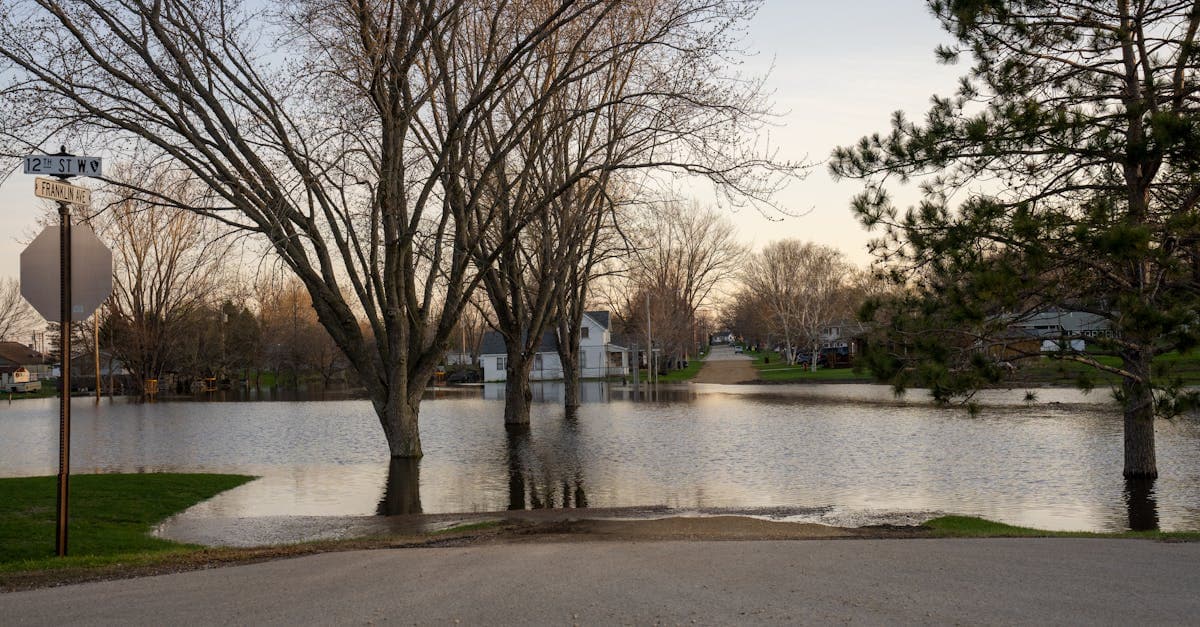
In my experience working with homeowners after flood events, the most common reaction is shock — shock that their homeowners insurance does not cover flood damage, shock at the cost of flood repairs, and shock that a relatively minor water event can cause tens of thousands of dollars in damage.
The homeowners who recover fastest are those who had flood insurance before the event. They filed their claim, worked with an adjuster, and received funds to begin repairs within weeks. Their lives were disrupted but their finances remained intact.
The homeowners who struggle most are those without flood insurance. They face the full cost of repairs — $25,000, $40,000, $60,000 or more — from their own savings, credit cards, or disaster loans. Many cannot afford complete repairs and live in partially restored homes for months or years. Some never fully recover financially.
What strikes me most is how affordable flood insurance is compared to the damage it prevents from becoming a financial catastrophe. A policy costing $500 to $1,000 per year can pay a $50,000 claim that would otherwise devastate a family's finances. The return on that premium investment is extraordinary when a flood actually occurs.
This guide covers everything you need to know about flood insurance — what it is, what it covers, what it costs, and how to purchase it — so you can make an informed decision about protecting your home from America's most common natural disaster.
Flood Insurance vs Federal Disaster Assistance: Why Insurance Is Superior
Our investigation revealed something surprising. Many homeowners assume that federal disaster assistance will cover their flood losses if they do not have flood insurance. This assumption is one of the most costly mistakes a homeowner can make. Understanding the difference between insurance and disaster aid is critical.
FEMA grants are limited: The average FEMA disaster grant is approximately $5,000 per household. The maximum individual assistance grant is around $42,500, but most recipients receive far less. Compare this to average flood insurance claims of $52,000. The gap between disaster aid and actual flood damage is enormous.
Disaster loans must be repaid: The primary form of federal flood assistance beyond small grants is SBA disaster loans. These are loans — not gifts — with interest rates around 2 to 4 percent and repayment terms of up to 30 years. A $50,000 SBA loan to repair flood damage adds a second mortgage payment to your household budget.
Disaster declarations are not guaranteed: FEMA assistance requires a presidential disaster declaration. Not all floods trigger a declaration. If your area floods without a federal declaration, no FEMA assistance is available. Flood insurance pays regardless of whether a disaster is declared.
Insurance pays more, faster: Flood insurance claims are processed independently of disaster declarations. Your adjuster inspects the damage, you file your proof of loss, and the insurer pays your claim. The process typically takes weeks, not the months that federal disaster assistance often requires.
The financial comparison: At $700 per year, a homeowner pays $21,000 in flood insurance premiums over 30 years and has access to $250,000 in building coverage and $100,000 in contents coverage for any flood event. Without insurance, they receive $5,000 from FEMA if a disaster is declared — or nothing if it is not — plus the option to take on tens of thousands of dollars in disaster loan debt.
The clear conclusion: Flood insurance is dramatically superior to federal disaster assistance in every measurable way — coverage amount, payment speed, reliability, and total financial impact. Disaster assistance is a last resort, not a substitute for insurance.
What Flood Insurance Covers: Building and Contents Protection Detailed
The records show a different story. Understanding exactly what your flood insurance covers is the dedicated flood defense battalion that deploys specifically trained financial resources to combat the damage caused by rising water because your general homeowners insurance forces were never equipped for flood combat. The coverage is substantial but has important limitations that every policyholder should know.
Building coverage includes: The physical structure of your home — foundation, walls, floors, ceilings, and roof. Electrical and plumbing systems. HVAC equipment including furnaces and air conditioners. Water heaters and well water tanks. Built-in appliances like dishwashers, stoves, and built-in refrigerators. Permanently installed carpeting over unfinished flooring. Window blinds. Detached garages up to 10 percent of building coverage.
Contents coverage includes: Personal property inside the insured building — furniture, clothing, electronics, portable appliances, curtains, area rugs, and washer-dryers that are not built in. Contents coverage must be purchased separately from building coverage and has a maximum of $100,000 under the NFIP.
Basement coverage limitations: Flood insurance covers only specific items in basements and below-grade enclosures: utility connections, furnaces, water heaters, heat pumps, sump pumps, electrical junction boxes, and circuit breaker panels. Finished walls, floors, ceilings, and personal property stored in basements are not covered.
What counts as a flood: For insurance purposes, a flood is a general and temporary condition where two or more acres of normally dry land or two or more properties are inundated by water or mudflow. The water must come from an external source — rivers, tidal water, rainfall runoff, storm surge, or similar sources.
Increased Cost of Compliance: NFIP policies include ICC coverage that provides up to $30,000 to help bring your home into compliance with current flood building codes after a covered flood loss. This can fund elevation, floodproofing, relocation, or demolition if your community requires it.
Coverage you might not expect: Flood insurance covers debris removal, reasonable access to the insured property, and certain costs associated with relocating your belongings to prevent further flood damage. These ancillary coverages provide additional value beyond basic repair and replacement.
Risk Rating 2.0: How FEMA's New Pricing Methodology Affects Your Premium
Our investigation revealed something surprising. FEMA implemented Risk Rating 2.0 in 2021, fundamentally changing how flood insurance premiums are calculated under the NFIP. Understanding this new system helps you anticipate and manage your flood insurance costs.
What changed: The old pricing system relied heavily on flood zone designation and whether your home was above or below the base flood elevation. Risk Rating 2.0 incorporates individual property characteristics including distance to water, type of flooding source, reconstruction cost, and historical flood frequency.
More granular pricing: Under Risk Rating 2.0, two homes in the same flood zone may pay very different premiums based on their specific risk profiles. A home at the edge of a flood zone far from any water source may pay less than a home directly adjacent to a river in the same zone.
Winners and losers: Some homeowners see premium decreases under Risk Rating 2.0 because the old system overstated their risk. Others see increases because the new system more accurately captures their individual exposure. Properties with high replacement costs or close proximity to flood sources generally face higher premiums.
Phase-in protections: FEMA limited annual premium increases to 18 percent per year for existing policyholders to prevent sudden cost spikes. New policies receive Risk Rating 2.0 pricing immediately without phase-in protection.
Factors in the new formula: Risk Rating 2.0 considers flood type (river overflow, storm surge, coastal erosion, heavy rainfall), distance to the flood source, property elevation, replacement cost of the building, and historical claims data for the area. Each factor contributes to your individualized premium.
What you can do: Request a detailed breakdown of your Risk Rating 2.0 premium from your insurer. Compare NFIP pricing with private flood insurance quotes. Invest in mitigation measures that reduce your individual risk factors. And maintain continuous coverage to avoid losing any grandfathered benefits from prior rating systems.
Flood Zones Explained: Understanding Your Property's Risk Designation
Our investigation revealed something surprising. FEMA designates flood zones across the country that categorize areas by their flood risk level. Your flood zone determines whether flood insurance is mandatory, affects your premium, and indicates the likelihood of flooding at your property.
High-risk zones (Special Flood Hazard Areas): Zones beginning with A or V are high-risk flood areas. Zone AE has a 1 percent annual chance of flooding — commonly called the 100-year floodplain. Zone VE is the same risk level plus coastal wave action. Properties in these zones with federally backed mortgages must carry flood insurance.
Moderate-risk zones: Zone B and Zone X (shaded) indicate moderate flood risk — areas between the 100-year and 500-year floodplains. Flood insurance is not mandatory but is strongly recommended. These areas have a real and documented flood risk that justifies coverage.
Low-risk zones: Zone C and Zone X (unshaded) indicate minimal flood risk. Flood insurance is not required but remains available and affordable. Importantly, over 25 percent of all NFIP claims come from properties in these supposedly low-risk zones.
Coastal high-hazard zones: Zone V areas face the highest coastal flood risk including wave action. Properties in V zones face the highest premiums and the strictest building requirements. Storm surge from hurricanes and tropical storms creates devastating flood risk in these areas.
Finding your flood zone: Enter your address at FEMA's Flood Map Service Center to find your property's flood zone designation. Your insurance agent, mortgage lender, or local planning office can also provide this information. The flood zone directly affects your insurance requirement and premium.
Challenging your flood zone: If you believe your property is incorrectly mapped in a high-risk zone, you can request a Letter of Map Amendment from FEMA. An elevation certificate from a licensed surveyor provides the documentation needed to support your request. A successful LOMA can eliminate your mandatory purchase requirement and significantly reduce your premium.
Flood Mitigation: Reducing Both Your Risk and Your Premium
The records show a different story. Flood mitigation measures serve the dual purpose of reducing your flood damage risk and lowering your flood insurance premium. Investing in mitigation protects both your property and your wallet.
Home elevation: Raising your home above the base flood elevation is the most effective mitigation measure. Elevation can reduce flood insurance premiums by 50 percent or more and dramatically reduces the likelihood of flood damage. The cost ranges from $30,000 to $100,000 depending on the home's size and foundation type.
Flood vents: Installing engineered flood vents in enclosed areas below your living space allows floodwater to flow through rather than build up pressure against walls. Proper flood vents can qualify you for lower premiums by reducing structural damage risk.
Elevated utilities: Moving electrical panels, HVAC systems, water heaters, and washer-dryers above the base flood elevation reduces damage from minor floods and may qualify for premium reductions. This is one of the most cost-effective mitigation measures.
Backflow prevention: Installing backflow valves on sewer and drain lines prevents floodwater from entering your home through the plumbing system. While this does not reduce flood insurance premiums directly, it prevents one of the most common and destructive flood entry points.
Grading and drainage: Improving the grading around your home so water flows away from the foundation rather than toward it reduces both surface water intrusion and foundation damage. Combined with proper gutter systems and drainage, this creates an effective first line of defense.
Community-level mitigation: Your community's participation in the Community Rating System can reduce NFIP premiums for all residents by 5 to 45 percent. CRS rewards communities that implement flood warning systems, floodplain management, and public education programs. Support local mitigation efforts to benefit from these collective premium discounts.
How Flood Insurance Works: The Basics Every Homeowner Must Understand
Our investigation revealed something surprising. Understanding how flood insurance works is deploying flood insurance as a specialized unit within your overall insurance defense so every possible flood attack vector is covered and your financial position holds firm against rising water. The structure is straightforward but differs significantly from your homeowners insurance in several important ways.
Separate policy requirement: Flood insurance is a standalone policy, not a rider or endorsement on your homeowners insurance. You purchase it separately, pay a separate premium, and file separate claims. Your homeowners insurer and your flood insurer may be different companies.
Two coverage types: Flood insurance provides two distinct coverages. Building coverage pays to repair or replace your home's structure — walls, floors, foundation, electrical and plumbing systems, built-in appliances, and permanently installed features. Contents coverage pays to replace personal property damaged by flooding — furniture, electronics, clothing, and other belongings.
NFIP coverage limits: Under the National Flood Insurance Program, residential building coverage maxes out at $250,000 and contents coverage at $100,000. If your home's replacement cost exceeds $250,000, you should consider excess flood insurance from a private carrier to fill the gap.
Deductible structure: Like other insurance policies, flood insurance has a deductible you must pay before coverage kicks in. NFIP deductibles range from $1,000 to $10,000 for building coverage and $1,000 to $10,000 for contents coverage. Higher deductibles reduce your premium.
The 30-day waiting period: Most new flood insurance policies have a 30-day waiting period before coverage takes effect. This prevents homeowners from purchasing coverage only when a flood is imminent. The waiting period does not apply when flood insurance is purchased in connection with a new mortgage closing.
The 30-Day Waiting Period: Why You Cannot Buy Flood Insurance at the Last Minute
The records show a different story. One of the most important rules in flood insurance is the 30-day waiting period. This rule catches many homeowners off guard and represents the undefended flank in your insurance perimeter that enemy floodwaters exploit because no flood insurance troops were ever stationed to protect the most vulnerable sector of your financial position if you wait too long to purchase coverage.
The standard waiting period: New NFIP flood insurance policies have a 30-day waiting period from the date of purchase before coverage takes effect. If you buy a policy on June 1, coverage begins on July 1. Any flooding that occurs during the waiting period is not covered.
Why the waiting period exists: Without a waiting period, homeowners would only purchase flood insurance when a storm was approaching or flooding was imminent. This adverse selection would make the program financially unsustainable because only properties about to flood would be insured.
Exceptions to the waiting period: The 30-day waiting period does not apply when flood insurance is purchased in connection with a new mortgage origination, when you increase coverage on an existing policy, or when a map revision changes your flood zone to a higher-risk designation requiring coverage. In these cases, coverage can take effect immediately.
Private flood insurance waiting periods: Private flood insurers set their own waiting periods, which may be shorter or longer than the NFIP's 30 days. Some private carriers offer 14-day or 10-day waiting periods, providing faster access to coverage after purchase.
The practical implication: You must purchase flood insurance before you need it — well before hurricane season begins, before spring flooding season, and before any weather forecast suggests flooding in your area. The time to buy flood insurance is when the sun is shining, not when the storm is approaching.
Hurricane season preparation: Hurricane season runs June 1 through November 30. To have coverage in place by June 1, you must purchase your flood policy by May 1 at the latest. Waiting until hurricane forecasts become alarming means waiting too long — the 30-day clock starts ticking from your purchase date.
Lessons From Homeowners Who Experienced Flooding
The homeowners who recover from floods share one common characteristic: they had flood insurance in place before the water arrived. They filed their claim, received their payment, and rebuilt their homes with insurance funds that covered the vast majority of their losses.
The homeowners who struggle — and many struggle for years — are those without flood insurance. They face five-figure repair bills with no insurance payout, limited disaster assistance, and the stress of financing reconstruction from personal savings or debt.
The most poignant stories come from homeowners who considered flood insurance but decided the premium was an unnecessary expense. After the flood, they realized the annual premium they skipped was a fraction of the repair cost they now owe entirely from their own resources.
Flood insurance is one of those purchases you hope you never need. But if you need it and do not have it, the financial consequences can be life-altering. The cost of coverage is small. The cost of going without it, when flooding strikes, is enormous.
Continue reading

What Insurance Agents Wish You Knew About Comparing Quotes
Insurance professionals see policyholders make the same comparison mistakes repeatedly. Learning what agents wish consumers understood transforms quote shopping from a price hunt into a value analysis.

Policy Checkup After Getting Married: What Coverage Changes You Need
Marriage affects auto insurance, homeowners coverage, life insurance, and liability protection. Reviewing all your policies after getting married ensures both spouses are properly covered.

AOB Agreements and Your Rights as an Insurance Policyholder
You have the right to accept or refuse an assignment of benefits. Knowing your rights before a contractor asks you to sign helps you maintain control of your insurance claim.