What Counts as a Flood Under Your Homeowners Insurance Policy?

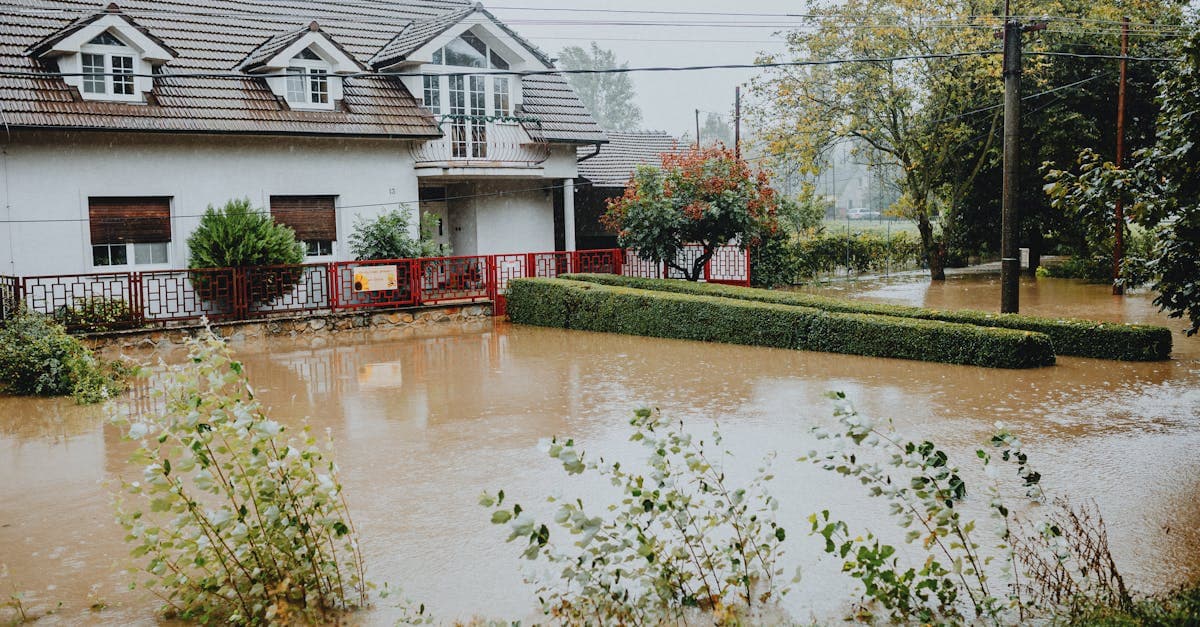
In my years working with homeowners after flood events, the conversation I dread most is explaining to a family that their homeowners insurance will not pay for any of the flood damage in their home. They are standing in a ruined living room, insurance card in hand, expecting help — and the answer is no.
The flood exclusion in homeowners insurance is not a technicality or a loophole. It is a fundamental feature of the policy that has existed for over half a century. Insurers determined in the 1960s that flood risk was too concentrated and catastrophic to include in standard homeowners coverage. The federal government created the National Flood Insurance Program in 1968 to fill the gap. But decades later, most homeowners still do not know the gap exists.
The families I work with who recover fastest are always the ones who had separate flood insurance. They file a claim, the adjuster assesses the damage, and a payment follows. The process is not always smooth, but the financial path to recovery is clear. The families without flood insurance face a completely different reality — one of depleted savings, home equity loans, deferred repairs, and years of financial strain.
What frustrates me most is how preventable these situations are. Flood insurance is available, affordable relative to the risk, and designed specifically for the exposure that homeowners insurance refuses to cover. The only thing standing between most homeowners and proper flood protection is awareness of the exclusion and knowledge of the alternatives.
Risk Rating 2.0: How FEMA's New Pricing Changes Flood Insurance Costs
Our investigation revealed something surprising. FEMA's Risk Rating 2.0 methodology represents the biggest change to flood insurance pricing since the NFIP's creation. Understanding this new approach helps homeowners anticipate their premiums and make informed purchasing decisions.
The old system's limitations: Under the legacy rating system, flood insurance premiums were based primarily on the property's FEMA flood zone and the building's elevation relative to the base flood elevation. This produced premiums that sometimes poorly reflected actual risk — some high-risk properties were undercharged while some lower-risk properties were overcharged.
What Risk Rating 2.0 considers: The new methodology evaluates flood frequency, multiple flood types including fluvial, pluvial, coastal, and storm surge, distance to the nearest water source and its type, property elevation, the cost to rebuild the structure, and building characteristics including foundation type and number of floors.
Impact on premiums: Risk Rating 2.0 produces more individualized premiums. Some homeowners see decreases because their individual risk factors are better than their zone suggested. Others see increases because their specific exposure — proximity to water, low elevation, or high replacement cost — was previously underpriced.
Annual increase caps: To prevent sudden premium shocks, FEMA caps annual NFIP premium increases at 18 percent for most policyholders. Homeowners whose Risk Rating 2.0 premiums are higher than their legacy rates will see gradual annual increases until their premium reaches the full actuarial rate.
Benefits for lower-risk properties: Homeowners with genuinely low flood risk may benefit from Risk Rating 2.0 pricing that better reflects their minimal exposure. Properties on higher ground, far from water, and with favorable building characteristics may see stable or reduced premiums.
The practical step: The best way to understand how Risk Rating 2.0 affects your flood insurance cost is to request a current quote. Your insurance agent can provide a premium estimate based on the new methodology, allowing you to make an informed decision about coverage.
The National Flood Insurance Program: How It Works for Homeowners
Our investigation revealed something surprising. The NFIP was created in 1968 to provide flood insurance that private markets refused to offer. Understanding how this federal program works helps homeowners navigate their primary option for closing the flood coverage gap.
Program structure: The NFIP is administered by FEMA but policies are sold and serviced through approximately 50 participating private insurance companies called Write Your Own carriers. You purchase an NFIP policy through your insurance agent, but the coverage is backed by the federal government.
Building coverage: NFIP residential policies offer building coverage up to $250,000. This covers the physical structure of your home including foundation walls, electrical and plumbing systems, HVAC equipment, permanently installed features like cabinets and built-in appliances, and debris removal.
Contents coverage: Separate contents coverage up to $100,000 protects personal property including furniture, clothing, electronics, and portable appliances. Building and contents coverage are purchased separately — having one does not automatically include the other.
What NFIP does not cover: NFIP policies exclude certain items including outdoor property, landscaping, currency, precious metals, and damage caused by moisture or mold that could have been prevented by the property owner. Below-grade coverage is more limited, excluding finished improvements like carpet, drywall, and paneling in basements.
Deductible options: NFIP policies offer deductibles ranging from $1,000 to $10,000 for building coverage and $1,000 to $10,000 for contents coverage. Higher deductibles reduce annual premiums but increase your out-of-pocket cost when filing a claim.
The waiting period: NFIP policies have a standard 30-day waiting period between purchase and the start of coverage. Exceptions exist for new mortgage loans and map revision changes, but in most cases, you must purchase 30 days before a flood to be covered.
Eligibility: NFIP flood insurance is available to homeowners, renters, and business owners in communities that participate in the NFIP. Most communities in the United States participate, making NFIP coverage widely available.
FEMA Flood Zones and What They Mean for Your Insurance
The records show a different story. FEMA flood zone designations affect your flood insurance requirements, premiums, and risk awareness. Understanding these zones helps you evaluate your flood exposure and coverage needs.
High-risk zones (A and V): Zone A and its variants (AE, AH, AO, AR, A99) indicate areas with a 1 percent or greater annual chance of flooding — often called the 100-year floodplain. Zone V and VE are coastal high-risk zones with additional wave action hazard. Flood insurance is mandatory for federally backed mortgages in these zones.
Moderate-risk zones (B and Shaded X): Zone B and Shaded Zone X indicate areas with a 0.2 percent annual chance of flooding — the 500-year floodplain. Flood insurance is not required by lenders but is recommended. NFIP Preferred Risk Policies are available at reduced rates.
Low-risk zones (C and Unshaded X): Zone C and Unshaded Zone X indicate minimal flood risk areas outside the 500-year floodplain. Flood insurance is not required but is available. More than 25 percent of flood claims come from these supposedly low-risk areas.
How zones affect premiums: Your flood zone directly influences your premium. High-risk zone properties pay higher rates, while moderate and low-risk zone properties may qualify for Preferred Risk Policies at significantly lower premiums. Under Risk Rating 2.0, individual property characteristics also affect pricing within zones.
Zone changes and reclassification: FEMA periodically updates flood maps, and your property's zone can change. Reclassification from a low-risk to a high-risk zone triggers mandatory insurance requirements and potentially higher premiums. Purchasing flood insurance before reclassification may preserve lower rates.
The critical reminder: Your FEMA flood zone affects your flood insurance requirements and pricing, but it does not affect the flood exclusion in your homeowners policy. Your homeowners insurance excludes flood damage whether you are in Zone A, Zone X, or any other designation. The flood exclusion is universal.
The National Flood Insurance Program: How It Works for Homeowners
Our investigation revealed something surprising. The NFIP was created in 1968 to provide flood insurance that private markets refused to offer. Understanding how this federal program works helps homeowners navigate their primary option for closing the flood coverage gap.
Program structure: The NFIP is administered by FEMA but policies are sold and serviced through approximately 50 participating private insurance companies called Write Your Own carriers. You purchase an NFIP policy through your insurance agent, but the coverage is backed by the federal government.
Building coverage: NFIP residential policies offer building coverage up to $250,000. This covers the physical structure of your home including foundation walls, electrical and plumbing systems, HVAC equipment, permanently installed features like cabinets and built-in appliances, and debris removal.
Contents coverage: Separate contents coverage up to $100,000 protects personal property including furniture, clothing, electronics, and portable appliances. Building and contents coverage are purchased separately — having one does not automatically include the other.
What NFIP does not cover: NFIP policies exclude certain items including outdoor property, landscaping, currency, precious metals, and damage caused by moisture or mold that could have been prevented by the property owner. Below-grade coverage is more limited, excluding finished improvements like carpet, drywall, and paneling in basements.
Deductible options: NFIP policies offer deductibles ranging from $1,000 to $10,000 for building coverage and $1,000 to $10,000 for contents coverage. Higher deductibles reduce annual premiums but increase your out-of-pocket cost when filing a claim.
The waiting period: NFIP policies have a standard 30-day waiting period between purchase and the start of coverage. Exceptions exist for new mortgage loans and map revision changes, but in most cases, you must purchase 30 days before a flood to be covered.
Eligibility: NFIP flood insurance is available to homeowners, renters, and business owners in communities that participate in the NFIP. Most communities in the United States participate, making NFIP coverage widely available.
FEMA Flood Zones and What They Mean for Your Insurance
The records show a different story. FEMA flood zone designations affect your flood insurance requirements, premiums, and risk awareness. Understanding these zones helps you evaluate your flood exposure and coverage needs.
High-risk zones (A and V): Zone A and its variants (AE, AH, AO, AR, A99) indicate areas with a 1 percent or greater annual chance of flooding — often called the 100-year floodplain. Zone V and VE are coastal high-risk zones with additional wave action hazard. Flood insurance is mandatory for federally backed mortgages in these zones.
Moderate-risk zones (B and Shaded X): Zone B and Shaded Zone X indicate areas with a 0.2 percent annual chance of flooding — the 500-year floodplain. Flood insurance is not required by lenders but is recommended. NFIP Preferred Risk Policies are available at reduced rates.
Low-risk zones (C and Unshaded X): Zone C and Unshaded Zone X indicate minimal flood risk areas outside the 500-year floodplain. Flood insurance is not required but is available. More than 25 percent of flood claims come from these supposedly low-risk areas.
How zones affect premiums: Your flood zone directly influences your premium. High-risk zone properties pay higher rates, while moderate and low-risk zone properties may qualify for Preferred Risk Policies at significantly lower premiums. Under Risk Rating 2.0, individual property characteristics also affect pricing within zones.
Zone changes and reclassification: FEMA periodically updates flood maps, and your property's zone can change. Reclassification from a low-risk to a high-risk zone triggers mandatory insurance requirements and potentially higher premiums. Purchasing flood insurance before reclassification may preserve lower rates.
The critical reminder: Your FEMA flood zone affects your flood insurance requirements and pricing, but it does not affect the flood exclusion in your homeowners policy. Your homeowners insurance excludes flood damage whether you are in Zone A, Zone X, or any other designation. The flood exclusion is universal.
Flood Mitigation: Reducing Your Risk Beyond Insurance Coverage
Our investigation revealed something surprising. While flood insurance provides financial protection after flooding, physical mitigation measures reduce the likelihood and severity of flood damage. The most effective strategy combines insurance with prevention.
Proper grading and drainage: Ensure the ground slopes away from your foundation at a minimum of one inch per foot for the first six feet. Proper grading directs surface water away from your home and reduces foundation flooding risk.
Gutter and downspout maintenance: Clean gutters and extend downspouts at least four to six feet from your foundation. Properly functioning gutters and downspouts prevent concentrated water accumulation at the base of your home.
Sump pump with battery backup: A sump pump system actively removes water that collects in your basement or crawl space. A battery backup ensures the pump continues operating during power outages — which often coincide with the severe storms that cause flooding.
Foundation waterproofing: Seal foundation cracks with hydraulic cement or epoxy injection. Apply waterproof coatings to exterior foundation walls. These measures reduce the amount of water that penetrates below grade during heavy saturation.
Backflow prevention valves: Install a backflow valve on your sewer line to prevent sewage and stormwater from backing up into your basement through floor drains. These valves are relatively inexpensive and prevent one of the most common and unpleasant types of basement water intrusion.
Elevate critical systems: Where feasible, elevate furnaces, water heaters, electrical panels, washers, and dryers above potential flood levels. Elevating these expensive systems reduces the financial impact of flooding even if water enters your home.
Flood insurance premium discounts: Some mitigation measures, including elevation above the base flood elevation and community flood mitigation programs, can reduce your flood insurance premiums. Ask your agent about available discounts for mitigation improvements.
How Much Does Flood Insurance Cost? A Breakdown for Homeowners
Our investigation revealed something surprising. Understanding flood insurance pricing helps homeowners evaluate whether separate coverage is financially practical — because deploying specialized flood coverage to reinforce the sector of your insurance line that your homeowners policy intentionally leaves ungarrisoned.
NFIP pricing factors: Under Risk Rating 2.0, NFIP premiums are calculated based on flood frequency, flood types your property faces, distance to the nearest water source, property elevation, replacement cost of the building, and the building's characteristics including foundation type and first floor height.
Preferred Risk Policy pricing: Homes in FEMA moderate and low-risk zones may qualify for the NFIP Preferred Risk Policy with annual premiums ranging from approximately $300 to $600 for combined building and contents coverage. These are among the most affordable insurance products available relative to the protection they provide.
Standard risk pricing: Homes in FEMA high-risk zones pay standard NFIP rates that vary widely based on property-specific factors. Annual premiums can range from $500 to several thousand dollars depending on the property's risk profile.
Private flood insurance pricing: Private flood insurers use their own risk models and may price competitively with or differently from the NFIP. For lower-risk properties, private insurers sometimes offer lower premiums with broader coverage. For higher-risk properties, NFIP rates may be more favorable.
Deductible impact on cost: Choosing a higher deductible reduces your annual premium. An NFIP policy with a $5,000 deductible costs less than the same policy with a $1,000 deductible. The trade-off is higher out-of-pocket costs when filing a claim.
The cost-benefit calculation: Compare your annual premium against the potential cost of flood damage. If your premium is $500 per year and the average flood claim exceeds $30,000, the insurance pays for itself many times over with a single claim. Even 30 years of premiums at $500 total $15,000 — far less than one significant flood event.
Premium trends: FEMA's transition to Risk Rating 2.0 is gradually adjusting premiums to reflect individual property risk. Annual increases are capped at 18 percent for most policyholders, allowing gradual transition to actuarially appropriate rates.
A Personal Perspective on Flood Coverage
After years of seeing homeowners devastated by the discovery that their homeowners insurance does not cover flood damage, my advice is simple and direct: get a flood insurance quote and seriously consider purchasing coverage.
The families who recover from floods are the ones with flood insurance. They have a path to financial recovery that is funded by their policy rather than by their savings. The process is not always easy, but the outcome is fundamentally different from the uninsured experience.
The families without flood insurance face months or years of financial recovery. They deplete savings, take on debt, defer repairs that affect their home's safety and value, and carry the stress of an unresolved financial burden. Many never fully restore their homes to pre-flood condition.
A few hundred dollars per year is a modest price for the certainty that a flood event will not become a financial catastrophe. Whether you live in a high-risk zone or a low-risk zone, whether your home is near water or miles from it, the flood exclusion in your homeowners policy applies equally. The only variable is whether you have purchased the separate coverage designed to fill the gap.
Continue reading

What Insurance Agents Wish You Knew About Comparing Quotes
Insurance professionals see policyholders make the same comparison mistakes repeatedly. Learning what agents wish consumers understood transforms quote shopping from a price hunt into a value analysis.

Policy Checkup After Getting Married: What Coverage Changes You Need
Marriage affects auto insurance, homeowners coverage, life insurance, and liability protection. Reviewing all your policies after getting married ensures both spouses are properly covered.

AOB Agreements and Your Rights as an Insurance Policyholder
You have the right to accept or refuse an assignment of benefits. Knowing your rights before a contractor asks you to sign helps you maintain control of your insurance claim.