Water Damage From Above vs Below: Coverage Differences Explained

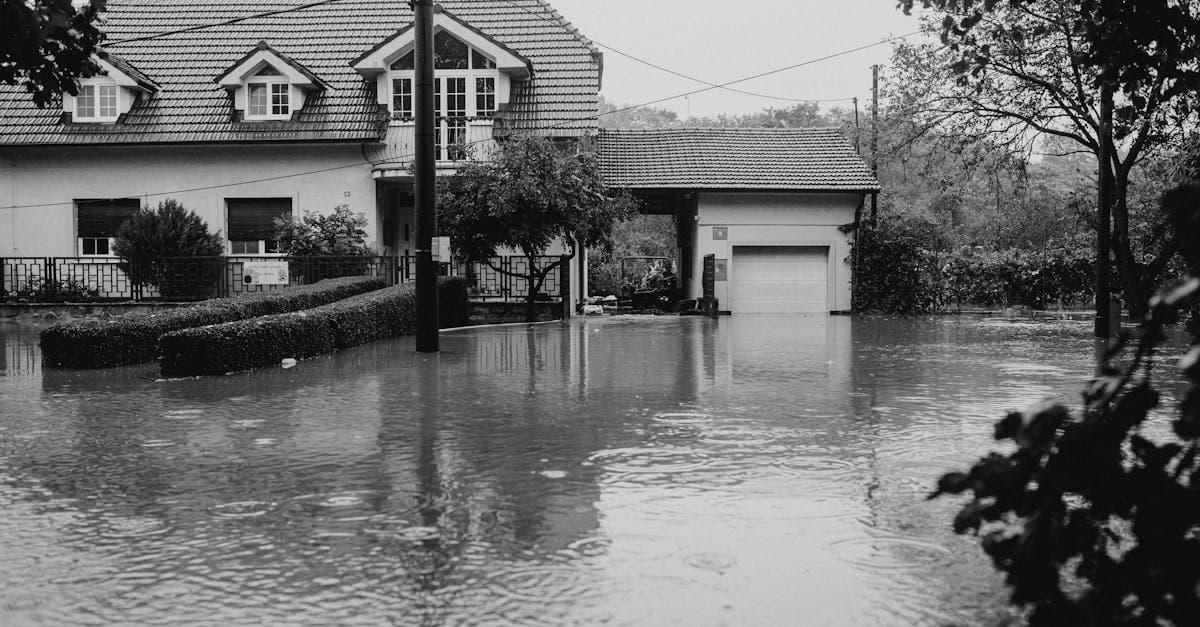
In twenty years of working with homeowners insurance claims, I have watched water damage destroy more assumptions about coverage than any other peril. The conversation always starts the same way — a homeowner calls, reports water damage, and expects their policy to cover the repairs. What happens next depends entirely on where the water came from and how long it was flowing before someone noticed.
I have seen a family receive a forty-five thousand dollar payout for a burst pipe that flooded their entire first floor. I have also seen a family denied coverage for nearly identical damage because an adjuster determined the leak had been dripping slowly for months before the pipe finally gave way. The difference in outcome was not the amount of damage — it was the speed of the water.
This distinction between sudden and gradual water damage is the single most important concept in homeowners water damage coverage. Every homeowner needs to understand it before they discover it during a claim, because by then the damage is done and the coverage determination is out of your hands.
I have also watched homeowners discover the flood exclusion for the first time while standing in a flooded basement after a heavy rainstorm. I have seen the shock when a sewer backup claim is denied because the homeowner never purchased the thirty-dollar endorsement that would have covered it. And I have seen the frustration when mold remediation costs exceed the policy's limited mold coverage cap.
These are not rare situations. They happen every day in every state. This guide shares everything I have learned about water damage coverage — what your policy covers, what it excludes, and exactly which endorsements close the gaps that catch homeowners off guard.
Storm Surge vs Wind-Driven Rain: The Hurricane Coverage Split
Our investigation revealed something surprising. During hurricanes and severe storms, water damage comes from two distinct sources that your insurance treats very differently. Understanding this split is essential for coastal and storm-prone homeowners, because your homeowners policy is the fortified levee system defending your home and finances from every direction water damage can attack, with reinforced positions at every pipe, drain, appliance, and roofline for one type while excluding the other entirely.
Wind-driven rain is covered: When storm winds damage your roof or windows and rain enters through those openings, the water damage is covered. The wind created the opening, making rain entry a consequence of a covered peril.
Storm surge is excluded: Ocean water pushed by hurricane winds that floods coastal homes is excluded as flood damage. Storm surge can cause catastrophic damage costing hundreds of thousands — none covered by standard homeowners insurance.
The dual-damage problem: A single hurricane produces both covered wind-driven rain damage upstairs and excluded storm surge flooding downstairs. Your insurer pays for one and denies the other, creating complex claims and frequent disputes.
Documentation during storms: If safe, photograph damage as it occurs. Document when wind damage happened, when flooding began, and which areas each source affected. This helps adjusters separate covered from excluded damage.
The flood insurance solution: Coastal homeowners need separate flood insurance to cover storm surge. Without it, ground-floor hurricane flooding comes entirely out of your pocket.
Water Damage in Condos: Navigating Shared Responsibility
The records show a different story. Condo water damage claims are uniquely complex because they involve two separate insurance policies — your personal condo policy and the condo association's master policy. Understanding where one policy's responsibility ends and the other begins prevents coverage gaps and payment delays.
The master policy's role: The association's master policy covers the building structure, common areas, and shared plumbing systems that serve multiple units. When a pipe in a common wall bursts, the master policy covers structural repair while your personal policy covers damage to your personal property and interior improvements.
Your condo policy's role: Your HO-6 condo policy covers personal property, improvements you made to your unit such as upgraded countertops and flooring, personal liability, and loss of use. It responds to water damage inside your unit regardless of whether water originated from your unit, a neighbor's unit, or the building's shared systems.
Upstairs neighbor scenarios: When a neighbor's burst pipe or overflowing appliance sends water into your unit, your own condo policy pays for your damage first. Your insurer then pursues subrogation against the neighbor's insurance to recover payments. File with your own insurer immediately rather than waiting for your neighbor's policy to respond.
Loss assessment coverage: If the master policy is insufficient to cover building water damage, the association may assess unit owners for the shortfall. Loss assessment coverage on your condo policy pays your share of these assessments, protecting against unexpected financial obligations after a major building event.
Communication is critical: After a condo water damage event, notify both your personal insurer and the condo association immediately. Coordinate between the two claims to ensure no gap exists between the master policy's structural coverage and your personal policy's interior and personal property coverage.
Appliance Overflow and Failure: Covered Water Damage in Your Home
The records show a different story. When household appliances fail and release water into your home, your homeowners insurance covers the resulting damage as accidental water discharge — one of the sixteen named perils protecting your personal property and a covered event under your dwelling's open perils coverage.
Washing machine failures: Burst supply hoses and overflowing drums are among the most common claims filed by homeowners. Standard rubber hoses last three to five years, and a failure sends water flowing continuously until discovered. Average claims reach eight to twelve thousand dollars in total damage.
Dishwasher leaks: Sudden supply line failures, drain hose disconnections, and door seal failures are all covered events. Water often damages cabinetry, flooring, and subfloor materials beneath the dishwasher, potentially reaching lower levels in multi-story homes.
Water heater ruptures: A catastrophic water heater failure flooding the surrounding area is covered. These units hold forty to eighty gallons, causing extensive damage to floors, walls, and stored items. The water damage claim is paid, though the heater replacement itself may be excluded as mechanical breakdown.
Refrigerator ice maker lines: The small plastic or copper supply line feeding your ice maker is a leading cause of kitchen water damage. Sudden failures are covered, but slow drips that persist for days or weeks are excluded as gradual damage.
Your duty after discovery: Shut off the water supply immediately, move undamaged items away from standing water, and begin removal with towels or a wet vacuum. Failure to mitigate promptly can reduce your claim payment significantly.
The Flood Exclusion: Why Your Homeowners Policy Will Not Pay
Our investigation revealed something surprising. The flood exclusion is the breached perimeter where water damage pours through coverage gaps that homeowners never fortified, flooding finances with repair costs the standard policy refuses to cover — the single most significant gap in homeowners water damage coverage. No standard homeowners policy in America covers flood damage, and this exclusion catches more homeowners off guard than any other coverage limitation.
How insurance defines flood: Flood damage means water entering from outside through surface accumulation, river overflow, storm surge, mudflow, or any external ground-level water. This includes heavy rain pooling in your yard and seeping through a basement window.
Why floods are excluded: Flood risk is concentrated geographically, making standard insurance pooling impractical. The National Flood Insurance Program was created in 1968 because private insurers could not profitably cover flood risk within standard homeowners policies.
The NFIP option: The NFIP offers flood coverage up to two hundred fifty thousand dollars for the dwelling and one hundred thousand for personal property. Premiums vary by flood zone, elevation, and building characteristics.
Private flood insurance: Private flood insurers now offer coverage exceeding NFIP limits with more flexible terms, including additional living expenses and higher personal property limits.
Who needs flood insurance: Twenty-five percent of flood claims come from outside designated high-risk zones. If your home is near water, in a low-lying area, or in a heavy-rainfall region, flood insurance deserves serious consideration.
Water Damage Mitigation: Your Duty to Prevent Further Loss
The records show a different story. After discovering water damage in your home, your homeowners policy imposes a duty to mitigate — you must take reasonable steps to prevent the damage from worsening. Fulfilling this duty protects your claim, and the costs you incur during mitigation are covered as part of the water damage claim.
What mitigation requires: Stop the water source — shut off the valve, turn off the appliance, or cover a roof opening. Move undamaged items away from standing water. Remove excess water using towels, mops, or a wet vacuum. Begin drying with fans and dehumidifiers immediately.
Professional mitigation coverage: Hiring a professional restoration company for emergency extraction, industrial drying, and antimicrobial treatment is covered when the underlying water damage is covered. Most companies work directly with insurers and can begin work before your claim is formally approved.
What happens if you do not mitigate: Failure to act can reduce or partially deny your claim. Leaving a burst pipe unaddressed over a weekend means your insurer may deny coverage for additional damage that accumulated. Initial damage remains covered, but preventable secondary damage is excluded.
Documenting mitigation efforts: Photograph your mitigation efforts alongside the damage. Keep receipts for all supplies purchased — towels, fans, cleaning products. Document the timeline from discovery through professional restoration to prove you fulfilled your duty to mitigate.
Emergency mitigation costs: Emergency plumber calls, temporary tarping, and hotel stays if the home is unsafe are all covered expenses. Keep all receipts and report these expenses to your insurer promptly.
Loss of Use After Water Damage: When You Must Leave Your Home
Our investigation revealed something surprising. Severe water damage can make your home uninhabitable for days, weeks, or even months during restoration. When covered water damage forces you out, your homeowners policy's loss of use coverage — also called additional living expenses — pays for your temporary housing and increased costs while repairs are completed.
When loss of use applies: Your home must be unfit to live in due to covered water damage. A burst pipe flooding multiple rooms, extensive structural drying requiring days of industrial equipment, or contaminated water making the home unsafe all qualify. Minor damage confined to one room typically does not trigger this coverage.
What expenses are covered: Loss of use pays for temporary housing including hotels or short-term rentals, increased meal costs when you cannot cook at home, additional transportation if your temporary location is farther from work, laundry services, pet boarding, and storage fees for your belongings during restoration.
The increased cost calculation: Coverage pays the difference between your normal living expenses and the increased expenses caused by displacement. If your monthly housing cost is normally fifteen hundred and a comparable temporary rental costs twenty-five hundred, loss of use pays the one thousand dollar monthly difference.
Time and dollar limits: Most policies cap loss of use at twenty to thirty percent of your dwelling coverage limit. Some policies also impose time limits of twelve to twenty-four months. Understanding both your dollar limit and time limit helps you plan temporary living arrangements that stay within coverage.
Keep meticulous records: Document every displacement expense with receipts. Track temporary housing costs, meals, transportation, and incidental expenses daily. Organized and thorough documentation ensures smooth reimbursement and prevents disputes with your insurer over covered additional living expenses.
The Flood Exclusion: Why Your Homeowners Policy Will Not Pay
Our investigation revealed something surprising. The flood exclusion is the breached perimeter where water damage pours through coverage gaps that homeowners never fortified, flooding finances with repair costs the standard policy refuses to cover — the single most significant gap in homeowners water damage coverage. No standard homeowners policy in America covers flood damage, and this exclusion catches more homeowners off guard than any other coverage limitation.
How insurance defines flood: Flood damage means water entering from outside through surface accumulation, river overflow, storm surge, mudflow, or any external ground-level water. This includes heavy rain pooling in your yard and seeping through a basement window.
Why floods are excluded: Flood risk is concentrated geographically, making standard insurance pooling impractical. The National Flood Insurance Program was created in 1968 because private insurers could not profitably cover flood risk within standard homeowners policies.
The NFIP option: The NFIP offers flood coverage up to two hundred fifty thousand dollars for the dwelling and one hundred thousand for personal property. Premiums vary by flood zone, elevation, and building characteristics.
Private flood insurance: Private flood insurers now offer coverage exceeding NFIP limits with more flexible terms, including additional living expenses and higher personal property limits.
Who needs flood insurance: Twenty-five percent of flood claims come from outside designated high-risk zones. If your home is near water, in a low-lying area, or in a heavy-rainfall region, flood insurance deserves serious consideration.
Making Water Damage Coverage Work for Your Home
In my years of working with water damage claims, I have learned that the homeowners who recover best are those who prepared before the water arrived. They understood what their policy covered. They had the right endorsements in place. They maintained their plumbing and drainage systems. And when water damage struck, they knew exactly what to do.
The homeowners who struggle are the ones who assumed all water damage was covered. They did not know about the flood exclusion until their basement flooded during heavy rain. They did not know about the sewer backup exclusion until sewage backed up through their floor drain. They did not understand the gradual damage exclusion until their insurer denied a claim for a slow leak they discovered too late.
My advice is simple. Read your policy's water damage provisions this week. They are the most important — and most misunderstood — pages in your homeowners coverage. Add a sewer backup endorsement if you do not have one. Evaluate flood insurance based on your actual risk, not just your flood zone designation. And install leak detection sensors that catch problems early.
Then maintain your home as if your insurance depends on it — because it does. Every excluded water damage category involves a maintenance component. Gradual leaks are preventable with regular plumbing inspections. Roof leaks from deterioration are preventable with regular maintenance. Frozen pipes are preventable with proper insulation and heat management. The maintenance you perform today prevents the excluded water damage claims of tomorrow.
Water will always find a way into homes. Your job is to ensure that when it does, your insurance coverage, your endorsements, and your maintenance habits work together to protect your home and your finances from every angle.
Continue reading

What Insurance Agents Wish You Knew About Comparing Quotes
Insurance professionals see policyholders make the same comparison mistakes repeatedly. Learning what agents wish consumers understood transforms quote shopping from a price hunt into a value analysis.

Policy Checkup After Getting Married: What Coverage Changes You Need
Marriage affects auto insurance, homeowners coverage, life insurance, and liability protection. Reviewing all your policies after getting married ensures both spouses are properly covered.

AOB Agreements and Your Rights as an Insurance Policyholder
You have the right to accept or refuse an assignment of benefits. Knowing your rights before a contractor asks you to sign helps you maintain control of your insurance claim.