Water Heater Failure and Home Insurance: What Is Covered?

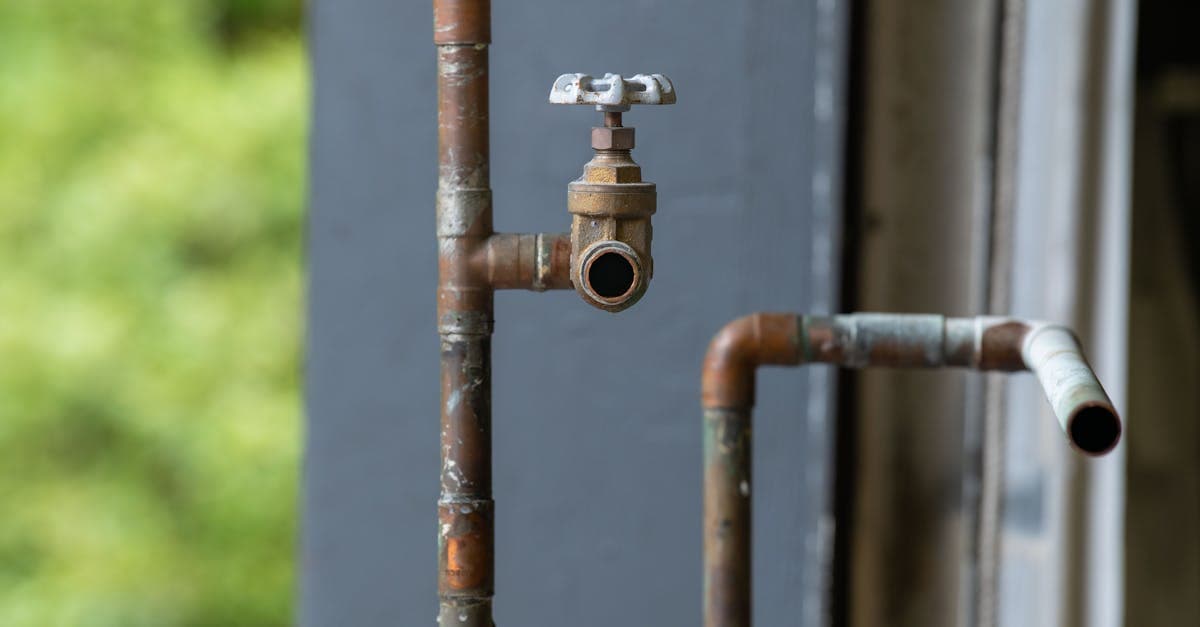
In my experience working with homeowners, plumbing damage claims generate more confusion and frustration than almost any other type of claim. The coverage rules are not intuitive, and most homeowners do not learn them until they are standing in a puddle trying to understand what their insurance will pay for.
The most common call starts the same way: water is everywhere, what do I do? The answer is always the same — shut off the water first, mitigate the damage, then call your insurer. But the question that follows is harder: will my insurance cover this?
The answer depends on details that most homeowners have never thought about. Was the failure sudden or had the problem been developing for a while? Is the source a supply line, a drain line, or a sewer backup? Did you maintain your plumbing system reasonably, or are there signs of deferred maintenance? Each of these factors affects whether and how much your insurer pays.
What I have learned from helping homeowners through hundreds of these claims is that the homeowners who fare best are the ones who understand the coverage rules before they need them. They respond quickly, document thoroughly, and present their claims in a way that aligns with how the policy actually works. This guide gives you the same framework.
Plumbing Risks in Older Homes: What Insurance Expects
Our investigation revealed something surprising. Homes with aging plumbing systems face the infiltration happening silently through corroded joints and weakened connections that creates both higher failure risk and potentially more complex insurance considerations. Understanding how age affects your plumbing coverage helps you manage this risk proactively.
Common aging pipe materials: Homes built before 1960 may have galvanized steel supply pipes that corrode internally over decades. Homes from the 1970s through early 1990s may contain polybutylene supply pipes, which are prone to micro-fracturing. Older drain pipes may be cast iron, which eventually corrodes from the inside out. Each material has a different failure timeline and pattern.
Insurance implications of aging pipes: Having older pipes does not automatically void your coverage, but it increases scrutiny of claims. When a 60-year-old galvanized pipe fails, the insurer may investigate whether the failure was truly sudden or whether the pipe showed obvious signs of deterioration that should have prompted replacement.
Proactive inspection and documentation: Regular plumbing inspections in older homes create a maintenance record that supports future claims. Having a plumber document that your pipes are in serviceable condition — even if they are old — establishes a baseline that makes sudden failure claims more credible.
Repiping considerations: Some homeowners with aging plumbing choose to repipe their homes proactively. While insurance does not cover this preventive expense, repiping with modern materials reduces your failure risk, eliminates coverage concerns about aging pipes, and may positively affect your insurability.
Disclosure when buying or insuring: When purchasing an older home or renewing insurance, be transparent about known plumbing conditions. Some insurers restrict coverage for homes with certain pipe materials or require inspections before issuing policies. Understanding these requirements prevents coverage surprises.
Burst Pipe Coverage Under Homeowners Insurance
The records show a different story. Burst pipes are among the clearest covered perils in homeowners insurance because they represent sudden, accidental events that homeowners cannot prevent through routine maintenance. Understanding exactly what your policy covers after a burst pipe helps you maximize your claim recovery.
What insurance covers: When a pipe bursts, your homeowners policy covers the resulting water damage — saturated drywall that needs replacement, damaged flooring, ruined insulation, stained ceilings, and destroyed personal property. The policy also covers the cost to access the pipe, including tearing out walls or floors to reach the failure point.
What insurance does not cover: The policy does not pay to replace the pipe itself. The burst pipe is considered the cause of loss, and standard policies cover the resulting damage, not the failed component. This means you pay for the plumbing repair while insurance pays for everything the water damaged.
Frozen pipe burst claims: Pipes that burst due to freezing are covered, but your policy requires you to maintain adequate heat in your home or properly winterize the plumbing if the home is vacant. If the insurer determines you failed to take reasonable precautions against freezing, the claim may be denied.
Emergency response matters: The speed of your response to a burst pipe directly affects both the damage extent and your claim. Insurance requires you to mitigate further damage, which means shutting off the water supply immediately. Failing to mitigate can reduce your claim payout because the insurer is not responsible for damage you could have prevented after discovering the problem.
Documentation for burst pipe claims: Photograph the burst point, the water flow pattern, and all areas where water reached. Document the timeline of when you discovered the burst and what actions you took. Keep the failed pipe section if possible — it serves as physical evidence supporting your claim.
Slab Leak Coverage: When Pipes Under Your Foundation Fail
Our investigation revealed something surprising. Slab leaks — plumbing failures beneath concrete foundations — present unique insurance challenges because they are hidden, expensive to detect, and costly to repair. Understanding coverage for slab leaks helps homeowners in slab-constructed homes manage this specific risk.
What is a slab leak: A slab leak occurs when a water supply or drain pipe embedded in or beneath a concrete slab foundation develops a leak. The water may seep upward through the slab, travel laterally to emerge at foundation edges, or pool beneath the slab causing soil erosion and foundation movement.
Coverage for slab leak damage: Homeowners insurance typically covers the water damage caused by a slab leak — damaged flooring, wet drywall, and affected personal property. The policy also generally covers the cost of accessing the leak, including breaking through the slab. However, the pipe repair itself is usually excluded as a maintenance item.
Detection challenges: Slab leaks can operate undetected for weeks or months before symptoms appear. Hot spots on floors, unexpected increases in water bills, sounds of running water when no fixtures are in use, and cracks in flooring are common indicators. Early detection limits both the physical damage and the risk of the insurer classifying the leak as gradual.
Repair methods and coverage: Slab leak repairs may involve breaking through the foundation to access the pipe, rerouting pipes through walls or attic spaces, or relining existing pipes. The access and restoration costs are typically covered, while the plumbing repair method choice may affect what the insurer approves.
Foundation damage from slab leaks: If a slab leak causes foundation damage — settling, cracking, or shifting — coverage becomes more complex. Some policies cover foundation damage resulting from a covered plumbing failure while others exclude it. Review your policy's foundation coverage provisions before a slab leak occurs.
Sewer Backup Coverage: The Critical Gap in Standard Policies
Our investigation revealed something surprising. Standard homeowners insurance policies exclude sewer and drain backup damage. This exclusion is one of the most significant coverage gaps in residential insurance because sewer backups are common, destructive, and expensive to remediate.
Why sewer backup is excluded: Insurers exclude sewer backup from standard policies because the risk varies dramatically by property. Homes on older municipal sewer systems, in areas with combined storm and sanitary sewers, or in low-lying areas face much higher backup risks. Rather than pricing this risk into every policy, insurers offer it as an optional endorsement.
The sewer backup endorsement: Most insurers offer a sewer and drain backup endorsement for an additional annual premium, typically between $40 and $100. This endorsement covers damage to your home and belongings caused by water that backs up through sewers, drains, or sump pump failures. Coverage limits usually range from $5,000 to $25,000.
What the endorsement covers: Sewer backup coverage pays for cleanup and decontamination, damaged flooring and drywall, destroyed personal property, and the associated restoration costs. Given that the average sewer backup claim exceeds $10,000, this affordable endorsement provides essential protection.
Sewer backup vs flooding: Insurance distinguishes between sewer backup — water entering through drains from below — and flooding, which is surface water entering from outside. Flood damage requires separate flood insurance. If heavy rain causes both sewer backup and surface flooding simultaneously, the claims may involve both your sewer backup endorsement and your flood policy.
Sump pump failure: If your sump pump fails and water backs up into your basement, this is typically treated as a sewer or water backup event covered by the endorsement, not by your standard policy. Adding a battery backup sump pump provides both physical protection and supports your claim by demonstrating reasonable maintenance.
What Homeowners Insurance Does Not Cover for Plumbing
The records show a different story. Understanding plumbing exclusions is just as important as understanding covered perils. These exclusions define the boundaries of your coverage and identify gaps you may want to fill with endorsements or preventive maintenance.
Gradual deterioration: Pipes that corrode slowly, joints that weep over time, and fixtures that develop slow leaks are excluded as maintenance responsibilities. The insurer considers these failures preventable through reasonable homeowner attention and upkeep.
The plumbing system itself: Standard policies cover damage caused by plumbing failures but not the cost of repairing or replacing the failed plumbing. A burst pipe creates a covered water damage claim, but the plumber's bill to replace the pipe is your expense. This cause-versus-damage distinction applies to all plumbing components.
Sewer and drain backup: Without a separate endorsement, sewer and drain backup damage is excluded. This includes water entering your home through floor drains, toilets backing up due to sewer line blockage, and sump pump overflow.
Flood damage: Water entering your home from outside — rising groundwater, surface runoff, or overflow from bodies of water — is flood damage that requires separate flood insurance. Even if the external water enters through your plumbing system, it is classified as flood damage if the source is external surface water.
Negligence and deferred maintenance: If the insurer determines that you neglected obvious maintenance needs — ignored persistent leaks, failed to winterize during cold weather, or knew about plumbing problems and delayed repairs — the resulting damage may be excluded. Your policy requires you to maintain your home in reasonable condition.
Wear and tear: The natural aging of plumbing materials — corrosion, mineral buildup, gasket deterioration — is excluded. While these processes eventually cause failures, the deterioration itself is not a covered event. Only the sudden consequences of that deterioration may qualify for coverage.
Documenting Plumbing Damage for Maximum Claim Recovery
Our investigation revealed something surprising. The quality of your documentation directly affects your plumbing damage claim outcome. Thorough records from the moment of discovery through the completion of repairs create the evidence base your insurer needs to process a fair settlement.
Immediate photographic evidence: Before touching anything, photograph the source of the leak, the water spread pattern, water levels on walls, damaged materials, and affected personal property. Use a systematic approach — wide shots of each affected room, then close-ups of specific damage. Include a reference object for scale in photographs of water depth or damage extent.
Video walkthrough: Record a narrated video walking through the affected areas. Describe what you see, when you discovered the damage, and what the conditions were. Video captures context and spatial relationships that individual photographs cannot convey and provides a timestamped record of conditions at discovery.
Timeline documentation: Write down the timeline of events — when you last saw the area undamaged, when you discovered the problem, when you shut off the water, when you called the plumber, and when you contacted your insurer. A clear timeline supports the sudden nature of the event and demonstrates prompt response.
Professional assessments: Collect written reports from the plumber who diagnosed the failure, the water damage restoration company, and any mold inspectors. These professional opinions about the cause, extent, and nature of the damage carry significant weight in claim determinations.
Expense tracking: Keep every receipt related to the plumbing damage — emergency plumber fees, water extraction costs, temporary living expenses, replacement personal property, and any supplies purchased for mitigation. Organized expense records streamline the reimbursement process and ensure you recover all covered costs.
Mold Resulting from Plumbing Damage: Coverage and Limits
The records show a different story. Mold is a common secondary consequence of plumbing damage, and its coverage under homeowners insurance depends on the original cause and your policy's specific mold provisions.
When mold is covered: If mold develops as a direct result of a covered plumbing event — such as a burst pipe or sudden water heater failure — the mold remediation is typically covered as part of the original claim. The key is that the mold must result from a covered peril, not from neglect or a gradual leak.
Mold coverage limits: Many homeowners policies cap mold coverage at a specific amount — commonly $5,000 to $10,000 — regardless of the underlying cause. This means even if your plumbing damage claim is fully covered, the mold remediation costs may exceed your mold sub-limit. Check your policy for specific mold coverage limits.
When mold is excluded: Mold from gradual leaks, poor ventilation, or general humidity is excluded. If the plumbing damage itself is not covered — because it was gradual, maintenance-related, or excluded by policy terms — any resulting mold is also excluded. The mold coverage follows the underlying peril coverage.
Speed of response matters: The faster you dry water-damaged areas after a plumbing failure, the less likely mold will develop. Mold can begin growing within 24 to 48 hours of water exposure. Your duty to mitigate includes preventing mold growth through prompt water extraction, drying, and dehumidification. If mold develops because you delayed cleanup, the insurer may deny the mold portion of your claim.
Professional mold assessment: If you suspect mold after a plumbing event, hire a certified mold inspector before beginning remediation. The inspection report documents the extent of mold growth, identifies the moisture source, and provides evidence supporting your insurance claim. Remediating without documentation can weaken your ability to recover mold-related costs.
Making Plumbing Coverage Work for Your Home
In my experience helping homeowners through plumbing damage claims, the outcomes vary dramatically based on two factors: preparation and response. Homeowners who understand their coverage and respond quickly to failures recover more fully than those who are caught unprepared.
The best preparation takes less than an hour. Learn where your water shutoff valves are located. Check the age and condition of your supply lines. Confirm your sewer backup endorsement is in place. Take photos of your plumbing access points and fixtures in their current condition. This baseline documentation is invaluable if you ever need to file a claim.
The worst time to learn about plumbing coverage is when water is flowing through your ceiling. The best time is right now. Review your policy, strengthen your coverage where gaps exist, and maintain your plumbing with the understanding that every maintenance step you take supports both prevention and future claim success.
Your home's plumbing system works silently every day until it does not. When it fails, being prepared financially and practically makes all the difference.
Continue reading

What Insurance Agents Wish You Knew About Comparing Quotes
Insurance professionals see policyholders make the same comparison mistakes repeatedly. Learning what agents wish consumers understood transforms quote shopping from a price hunt into a value analysis.
Policy Checkup After Getting Married: What Coverage Changes You Need
Marriage affects auto insurance, homeowners coverage, life insurance, and liability protection. Reviewing all your policies after getting married ensures both spouses are properly covered.
AOB Agreements and Your Rights as an Insurance Policyholder
You have the right to accept or refuse an assignment of benefits. Knowing your rights before a contractor asks you to sign helps you maintain control of your insurance claim.