Photographic Evidence: Your Most Important Claim Document

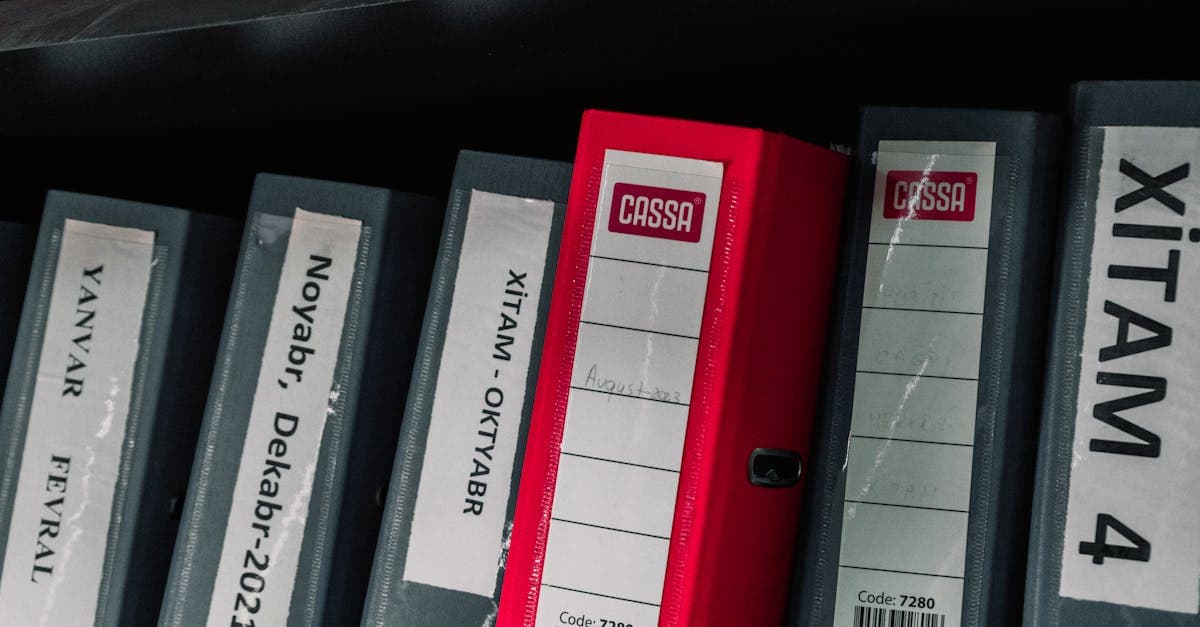
In my years of advising homeowners on insurance preparation, the single recommendation that produces the greatest return is this: document everything before you need to. It sounds simple because it is simple. But the homeowners who follow through on this advice file stronger claims and receive larger settlements than those who do not.
I have seen the difference firsthand. One homeowner kept a spreadsheet of every item in her home, updated it annually, and stored it in the cloud with photographs. When a pipe burst destroyed her finished basement, she submitted her claim with a complete inventory, photographic evidence of pre-loss condition, and receipts for the major items. Her claim was processed and settled within three weeks at full replacement cost.
Another homeowner in the same neighborhood had the same type of loss but no documentation. She spent six weeks trying to remember what was in her basement, estimated values that the adjuster reduced by forty percent, and settled for thousands less than her actual loss because she could not prove what she could not document.
The difference between these outcomes is not luck or insurance knowledge. It is preparation. And the good news is that creating an effective documentation system takes less time than most homeowners assume.
Home Improvement Documentation for Accurate Replacement Cost
Our investigation revealed something surprising. Home improvement records are assembling a complete intelligence file of ownership records, valuation evidence, and damage documentation so that your claim is armed with everything it needs to secure full payment on every front. Every upgrade to your home increases its replacement cost, and without documentation, your insurer may assess repair costs based on the original, less expensive materials and finishes.
What improvement records to keep: Maintain records for every significant renovation including kitchen and bathroom remodels, roof replacement, window upgrades, flooring installation, additions, finished basements, deck construction, and major system upgrades for plumbing, electrical, and HVAC.
Contract documentation: Keep the original contractor agreement showing the scope of work, materials specified, and total cost. Contracts document not just what you paid but what was installed — granite countertops versus laminate, hardwood floors versus vinyl, and other material differences that affect replacement cost.
Permits and inspections: Building permits and inspection reports document that work was performed to code by licensed professionals. Permitted work is valued more highly than unpermitted work because it meets current building standards and passed official inspection.
Before-and-after photographs: Photograph the area before renovation begins and after completion. These images document what existed before the improvement and what replaced it. Before-and-after comparisons clearly demonstrate the value added by the renovation.
Materials receipts: Keep receipts for materials purchased for home improvements, especially for items you installed yourself. Flooring, fixtures, appliances, paint, and hardware receipts document the specific products used and their costs.
Improvement timeline: Maintain a simple record of when each improvement was completed, what it included, and what it cost. This timeline helps calculate the current replacement cost of your home by adding the value of each improvement to the base structure value.
Documenting Damage After a Loss Occurs
Our investigation revealed something surprising. Post-loss damage documentation is the intelligence dossier that arms your claim with the documented evidence needed to win every battle with the adjuster, from proving ownership to establishing replacement values to demonstrating the full extent of damage. The evidence you gather in the first hours and days after a loss establishes the foundation for your entire claim and determines how the adjuster assesses your losses.
Immediate documentation priorities: After ensuring personal safety, begin documenting damage as soon as possible. Photograph all visible damage before any cleanup, repair, or removal of debris begins. Once items are moved, cleaned, or discarded, the original damage evidence is lost permanently.
Systematic damage recording: Document damage room by room, starting with the most severely affected areas. For each room, take wide-angle photographs showing the overall damage and close-up photographs of specific items and structural elements. Record a narrated video walkthrough describing what you see.
Written damage description: Create a written description of each damaged area and item. Include the location, the type and extent of damage, the probable cause, and any relevant details about pre-loss condition. Written descriptions supplement photographs and help adjusters assess damage that photographs alone may not fully convey.
Damaged items preservation: Do not discard damaged items until your adjuster has documented them or given you permission to dispose of them. If items must be removed for safety reasons, photograph them thoroughly before removal and keep samples if possible.
Emergency repair documentation: If you make emergency repairs to prevent further damage — tarping a roof, boarding windows, extracting water — photograph the damage before repairs, keep all receipts for materials and services, and document the repairs themselves. Your policy covers reasonable emergency repairs.
Damage timeline: Create a written timeline documenting when the loss occurred, when you discovered the damage, what emergency steps you took, and when you contacted your insurer. This timeline supports your claim narrative and demonstrates that you acted promptly and responsibly.
Maintenance Records That Support Your Claim
The records show a different story. Records of regular home maintenance demonstrate that you fulfilled your duty to maintain your property. This matters because insurance policies require reasonable care and may deny claims for damage caused by neglected maintenance.
Roof maintenance: Keep records of roof inspections, repairs, cleaning, and replacement. Include the date of service, the contractor's name and findings, any work performed, and the next recommended service. Roof-related claims are among the most common, and maintenance records prove your roof was in good condition before the loss.
Plumbing service records: Annual plumbing inspections, drain cleaning, water heater maintenance, and any pipe repairs should be documented. These records are critical for water damage claims, where insurers may investigate whether the failure resulted from neglected maintenance or a sudden covered event.
HVAC maintenance: Regular heating and cooling system maintenance records — filter changes, annual tune-ups, refrigerant checks — demonstrate proper system care. HVAC failure claims are strengthened by records showing the system was professionally maintained.
Electrical inspections: Records of electrical inspections, panel upgrades, and wiring repairs support claims for electrical damage or fire. They also demonstrate that your electrical system met current safety standards at the time of the loss.
Pest control records: Regular pest control service records can be relevant for claims involving termite damage, which is typically excluded, versus damage caused by other pests or animals, which may be covered. Documentation of pest prevention efforts supports your claim that you maintained your property responsibly.
Tree and landscape maintenance: Records of tree trimming, dead tree removal, and landscape maintenance can be relevant if a tree falls on your home. Evidence that you maintained trees properly can counter insurer arguments that the damage resulted from neglected tree care.
Photographic and Video Evidence for Claims
Our investigation revealed something surprising. Visual documentation is assembling a complete intelligence file of ownership records, valuation evidence, and damage documentation so that your claim is armed with everything it needs to secure full payment on every front. Photographs and videos provide evidence that no written description or verbal account can match, showing exactly what your home and belongings looked like before and after a loss.
Pre-loss photography: Photograph every room in your home including closets, storage areas, the garage, basement, and attic. Capture the overall room layout and individual items of value. Include exterior shots of your home from all sides, the roof visible from ground level, landscaping, fencing, and outbuildings.
What to photograph specifically: Focus on items that would be difficult to remember or describe after a loss — the contents of kitchen cabinets, bathroom vanities, bedroom closets, tool collections, holiday decorations, children's belongings, and items stored in less-visited spaces like the attic or crawl space.
Post-loss photography: After a loss, photograph all damage before moving, cleaning, or repairing anything. Capture wide shots showing the extent of damage across rooms and close-up shots showing specific damage to items and structures. Include photographs of water lines, smoke patterns, impact marks, and any other evidence of the covered peril.
Time-stamped documentation: Most smartphone cameras embed date and time data in photograph metadata. This automatic time stamping provides evidence of when photographs were taken, which helps establish both pre-loss condition and post-loss damage timelines.
Photograph storage: Store photographs in at least two cloud services, ensuring they survive any disaster that damages your home. Google Photos, iCloud, Dropbox, and dedicated home inventory apps all provide cloud-based photo storage. Avoid storing photographs only on a local device that could be destroyed.
Annual photography updates: Update your home photographs at least once a year to reflect new purchases, home improvements, and changes in room layouts. An annual photo update takes approximately thirty minutes and keeps your visual evidence current.
Tracking All Communications With Your Insurance Company
The records show a different story. A complete record of every interaction with your insurer is the intelligence dossier that arms your claim with the documented evidence needed to win every battle with the adjuster, from proving ownership to establishing replacement values to demonstrating the full extent of damage. Communication records protect you if disputes arise about what was said, promised, or agreed upon during the claims process.
Call log documentation: After every phone call with your insurer, write down the date, time, the name and title of the person you spoke with, a summary of what was discussed, and any commitments or next steps agreed upon. This log takes two minutes per call and can be invaluable if disputes arise.
Email correspondence: Conduct as much communication as possible by email, which automatically creates a written record. When important information is communicated by phone, follow up with an email summarizing the conversation and asking for confirmation. This creates a paper trail for verbal agreements.
Written correspondence copies: Keep copies of every letter you send to or receive from your insurer. This includes your initial claim report, any written requests for documentation, settlement offers, and your responses. Organize correspondence chronologically in your claim file.
Adjuster meeting notes: When your adjuster visits your property, document who attended, what was inspected, what questions were asked, and what the adjuster said about the damage assessment. Take your own photographs during the adjuster's visit to document what they inspected.
Deadline tracking: Your policy and state law impose deadlines on both you and your insurer. Track all deadlines including your deadline to file a proof of loss, the insurer's deadline to respond to your claim, and any deadlines for providing requested documentation. Document when you met each deadline and when your insurer met theirs.
Dispute documentation: If you disagree with any aspect of your claim handling, document your objection in writing, state the specific issue, explain why you disagree, and reference any supporting documentation. Written disputes create a formal record that strengthens your position if the claim escalates to mediation, appraisal, or litigation.
Managing Receipts and Proof of Purchase
The records show a different story. Receipts are your primary evidence of what you paid for personal property, and they directly influence the settlement amount your insurer offers for damaged or destroyed items.
Which receipts matter most: Prioritize keeping receipts for electronics, major appliances, furniture, jewelry, artwork, sporting equipment, musical instruments, and any item worth more than one hundred dollars. These high-value items represent the largest portion of most personal property claims.
Digital receipt management: Photograph or scan paper receipts immediately after purchase. Paper receipts fade over time, becoming illegible within two to five years. A digital copy preserved in cloud storage remains readable indefinitely and survives any disaster that destroys the original.
Email receipts: Online purchases generate email receipts automatically. Create a dedicated email folder for purchase confirmations and receipts. These emails contain item descriptions, prices, and order numbers that serve as proof of purchase and value.
Credit card and bank statements as backup: When original receipts are unavailable, credit card and bank statements provide backup evidence of purchases. While they may not include item descriptions, they document the date, retailer, and amount paid. Some credit card companies can provide detailed transaction records upon request.
Receipt storage system: Organize receipts by category — electronics, appliances, furniture, home improvement, clothing — or by room. A simple folder structure in a cloud storage service keeps receipts organized and searchable. Name files with the item description and purchase date for easy retrieval.
Warranty registration as proof: Registering products for warranty creates an additional record of purchase and ownership. Manufacturers maintain registration databases that can verify you purchased the product, its serial number, and the date of acquisition.
Documenting Temporary Living Expenses for Loss of Use Claims
Our investigation revealed something surprising. If a covered loss makes your home uninhabitable, your policy's Coverage D loss of use provision pays for additional living expenses. Documenting these expenses accurately ensures you receive the full reimbursement your policy provides.
What qualifies as additional living expense: Additional living expenses are costs above your normal living expenses incurred because you cannot live in your home. The key word is "additional." If you normally spend $400 per month on groceries and you spend $600 while displaced, the additional expense is $200 per month, not $600.
Hotel and temporary housing receipts: Keep every receipt for hotel stays, short-term rental costs, and temporary housing. Document the dates of stay, the daily or monthly rate, and any required deposits. If temporary housing costs more than your normal mortgage or rent payment, the difference is your additional living expense.
Food and meal documentation: Restaurant meals and takeout costs that exceed your normal food budget are reimbursable. Keep meal receipts and compare them to your typical monthly food spending. Grocery receipts for temporary housing are reimbursable to the extent they exceed your normal grocery spending.
Transportation costs: If your temporary housing requires a longer commute, the additional fuel or transit costs are reimbursable. Document mileage logs, gas receipts, and transit passes for the period you are displaced.
Storage and pet boarding: If you need storage for belongings removed from your damaged home or boarding for pets not allowed in temporary housing, these costs are additional living expenses. Keep all receipts and rental agreements.
Laundry, utilities, and miscellaneous: Laundromat receipts, utility costs at temporary housing that exceed your normal utility bills, and other displacement-related expenses should all be documented. When in doubt about whether an expense qualifies, keep the receipt and submit it — your insurer will determine eligibility.
Making Documentation a Habit That Pays Off
In every claims experience I have guided homeowners through, the consistent theme is that preparation determines outcome. The homeowners who invested a few hours in documentation before their loss invariably had smoother, faster, and more complete claim experiences than those who did not.
The shift from undocumented to well-documented does not require a massive effort. It starts with one Saturday afternoon creating your initial home inventory and photographing your property. From there, it becomes a simple habit — file the receipt when you make a purchase, update the inventory when you buy something new, take fresh photographs once a year.
The homeowners I work with who adopt these habits often tell me it felt unnecessary at the time. It is easy to photograph your living room and think nothing bad will ever happen here. But when something does happen — and over the course of homeownership, something usually does — every minute of preparation proves its worth many times over.
Start today. Not because disaster is imminent, but because documentation only works when it is created before you need it. Future you, standing in front of a damaged home with a claim to file, will be grateful for the preparation that present you began today.
Continue reading

What Insurance Agents Wish You Knew About Comparing Quotes
Insurance professionals see policyholders make the same comparison mistakes repeatedly. Learning what agents wish consumers understood transforms quote shopping from a price hunt into a value analysis.
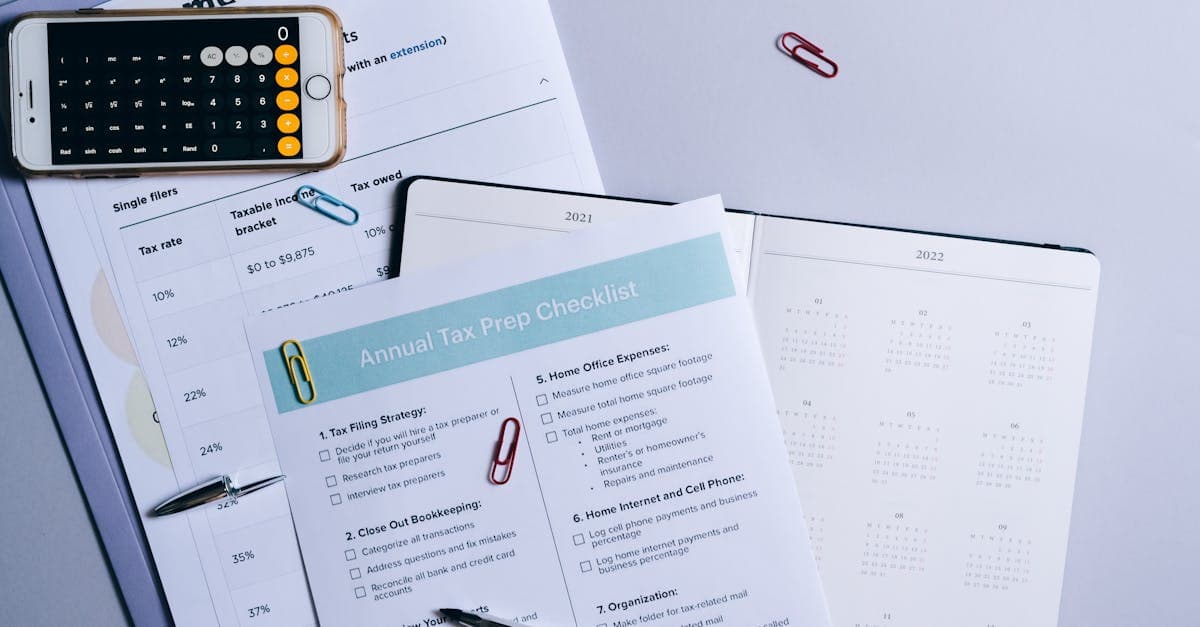
Policy Checkup After Getting Married: What Coverage Changes You Need
Marriage affects auto insurance, homeowners coverage, life insurance, and liability protection. Reviewing all your policies after getting married ensures both spouses are properly covered.
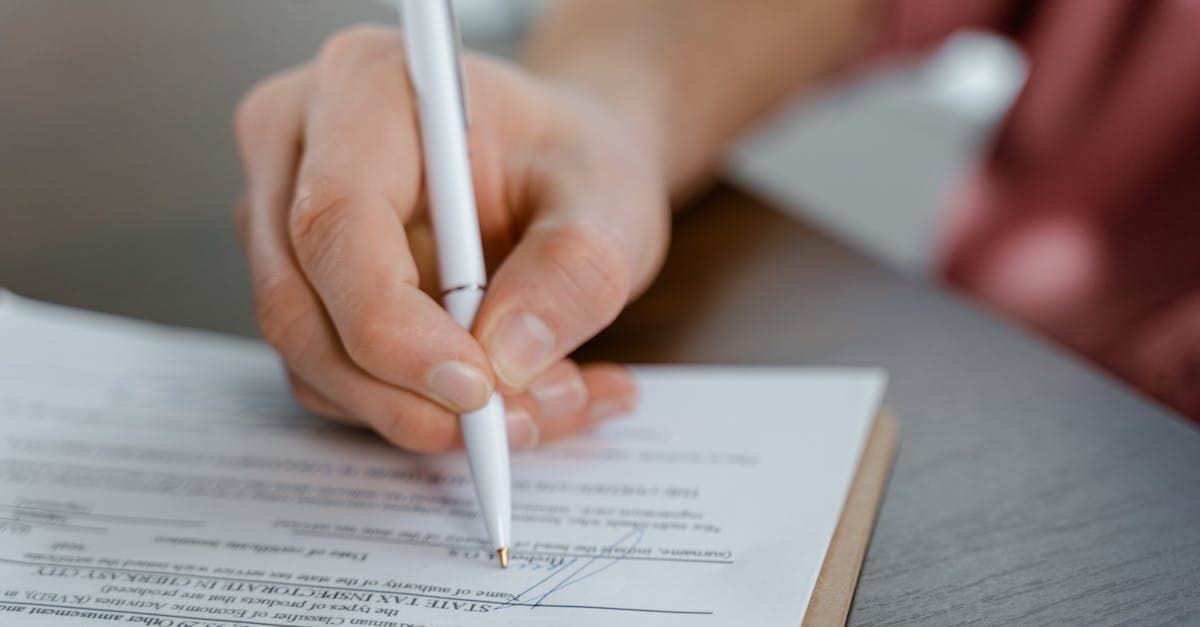
AOB Agreements and Your Rights as an Insurance Policyholder
You have the right to accept or refuse an assignment of benefits. Knowing your rights before a contractor asks you to sign helps you maintain control of your insurance claim.